Structural Concrete in Colorado Springs: A Complete Guide for Commercial Construction Projects
Structural concrete is the backbone of many commercial construction projects. It provides the load-bearing strength that supports buildings, infrastructure, and industrial facilities. When installed correctly, structural concrete ensures safety, stability, and long-term performance.
In Colorado Springs, structural concrete must account for soil conditions, elevation changes, and seasonal weather cycles. These factors make precision, planning, and experienced execution critical.
Peak Concrete Enterprises provides structural concrete services for commercial construction projects across Colorado Springs and surrounding areas. This guide explains what structural concrete is, where it is used, how it is installed, realistic cost considerations, and how it fits into comprehensive Commercial Concrete Services in Colorado Springs.
What Is Structural Concrete?
Structural concrete refers to concrete elements designed to carry loads and transfer forces safely through a structure. Unlike decorative or flatwork concrete, structural concrete plays a direct role in the strength and integrity of a building.
Structural concrete is engineered based on:
- Load requirements
- Structural design specifications
- Soil conditions
- Environmental exposure
- Applicable building codes
Because it supports the structure above, accuracy in formwork, reinforcement, and placement is essential.
Common Applications of Structural Concrete
Structural concrete is used across a wide range of commercial and industrial construction projects. Each application requires careful coordination between engineers, contractors, and inspectors.
Common uses include:
- Structural foundations
- Columns and piers
- Grade beams
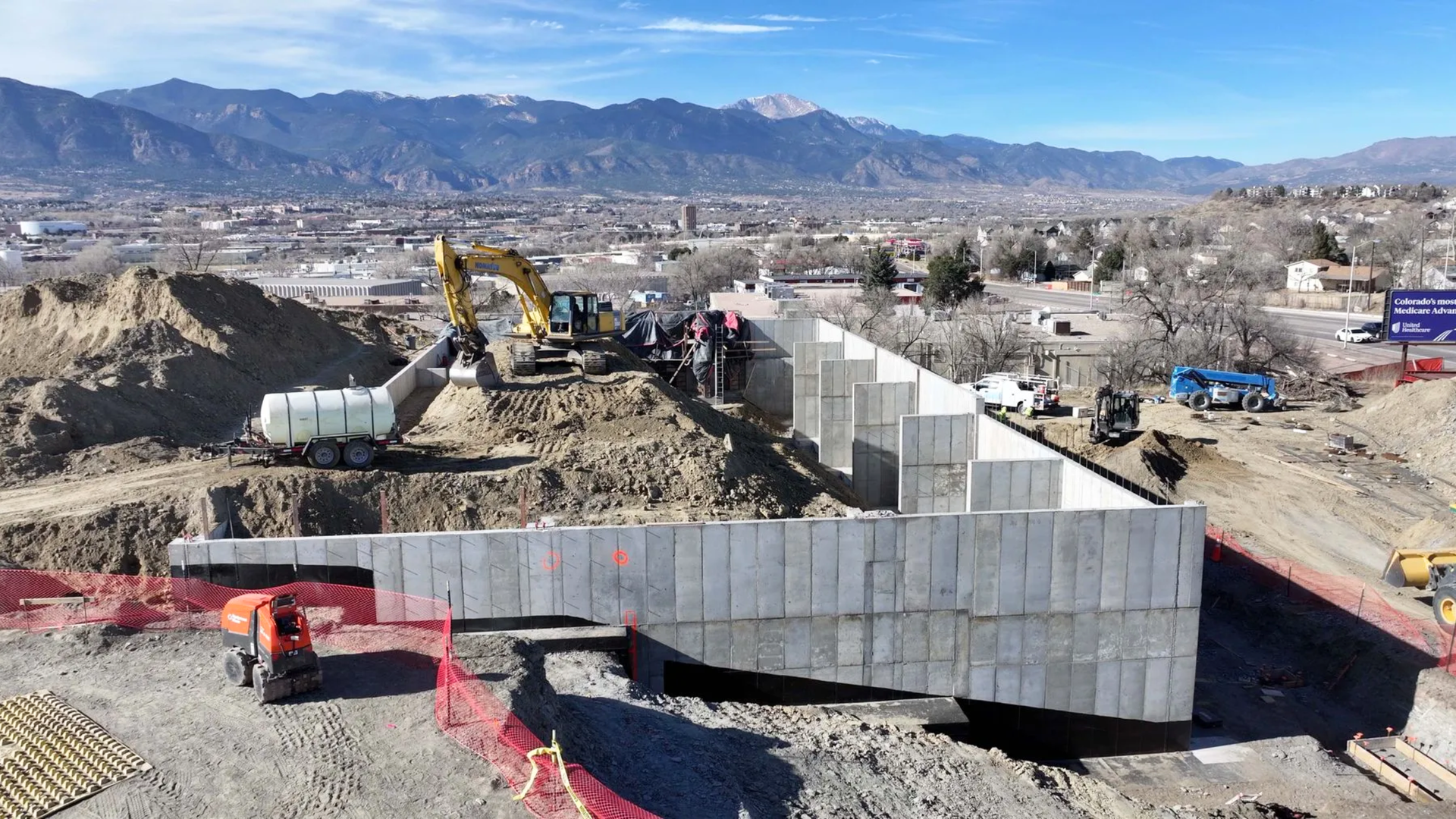
- Load-bearing walls
- Retaining structures
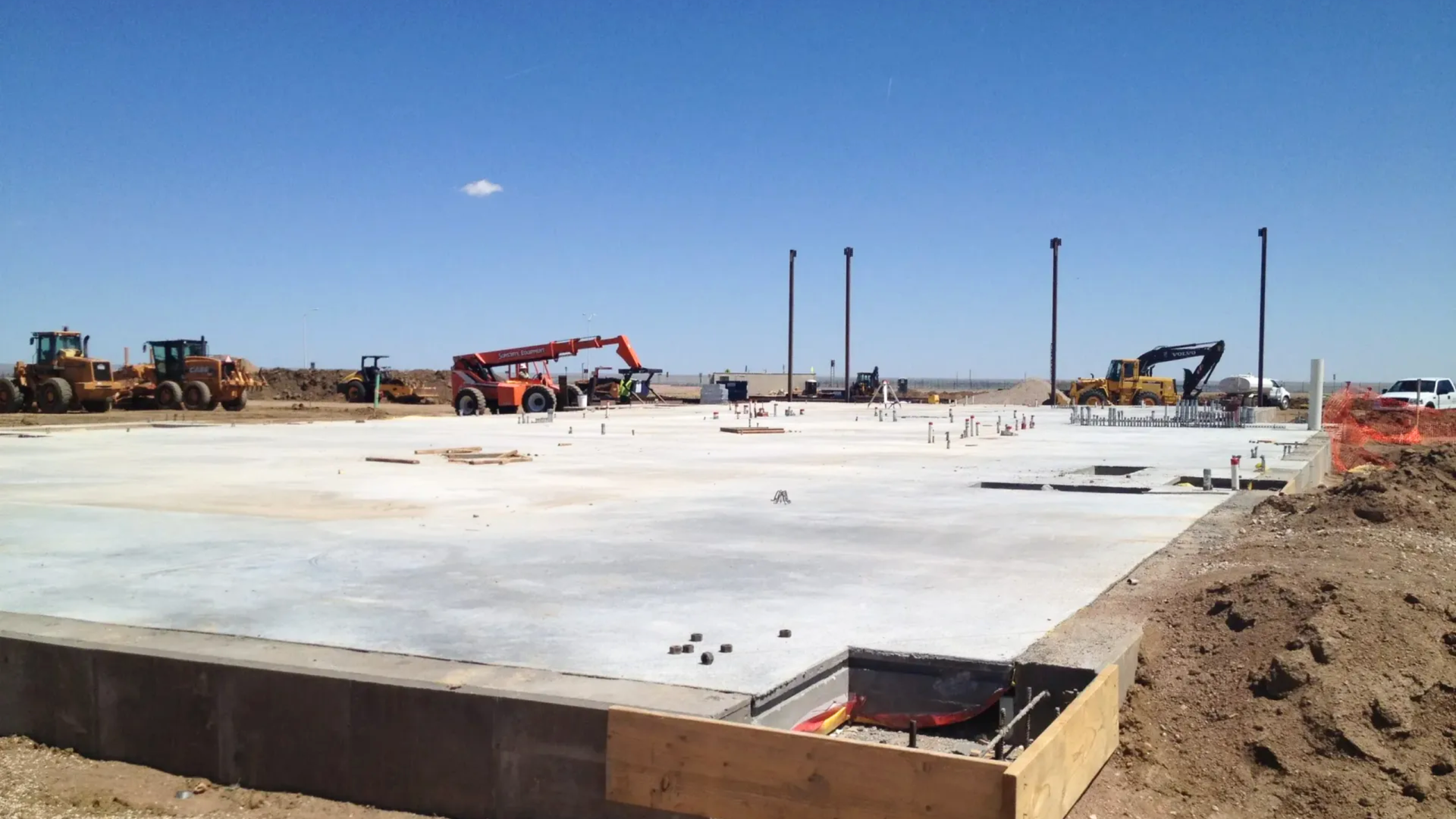
- Structural slabs
- Infrastructure components
Many commercial projects rely on structural concrete as the primary structural system rather than supplemental support.
Structural Concrete vs Non-Structural Concrete
Understanding the difference between structural and non-structural concrete helps clarify why specialized experience is required.
| Feature | Structural Concrete | Non-Structural Concrete |
|---|---|---|
| Load-bearing role | Yes | No |
| Engineering requirements | Required | Limited |
| Reinforcement design | Critical | Minimal or optional |
| Inspection requirements | Strict | Basic |
| Long-term risk if installed incorrectly | High | Moderate |
| Inspection and compliance | Additional coordination and documentation |
Because failure carries significant risk, structural concrete demands higher standards of workmanship and oversight.
Structural Concrete Installation Process
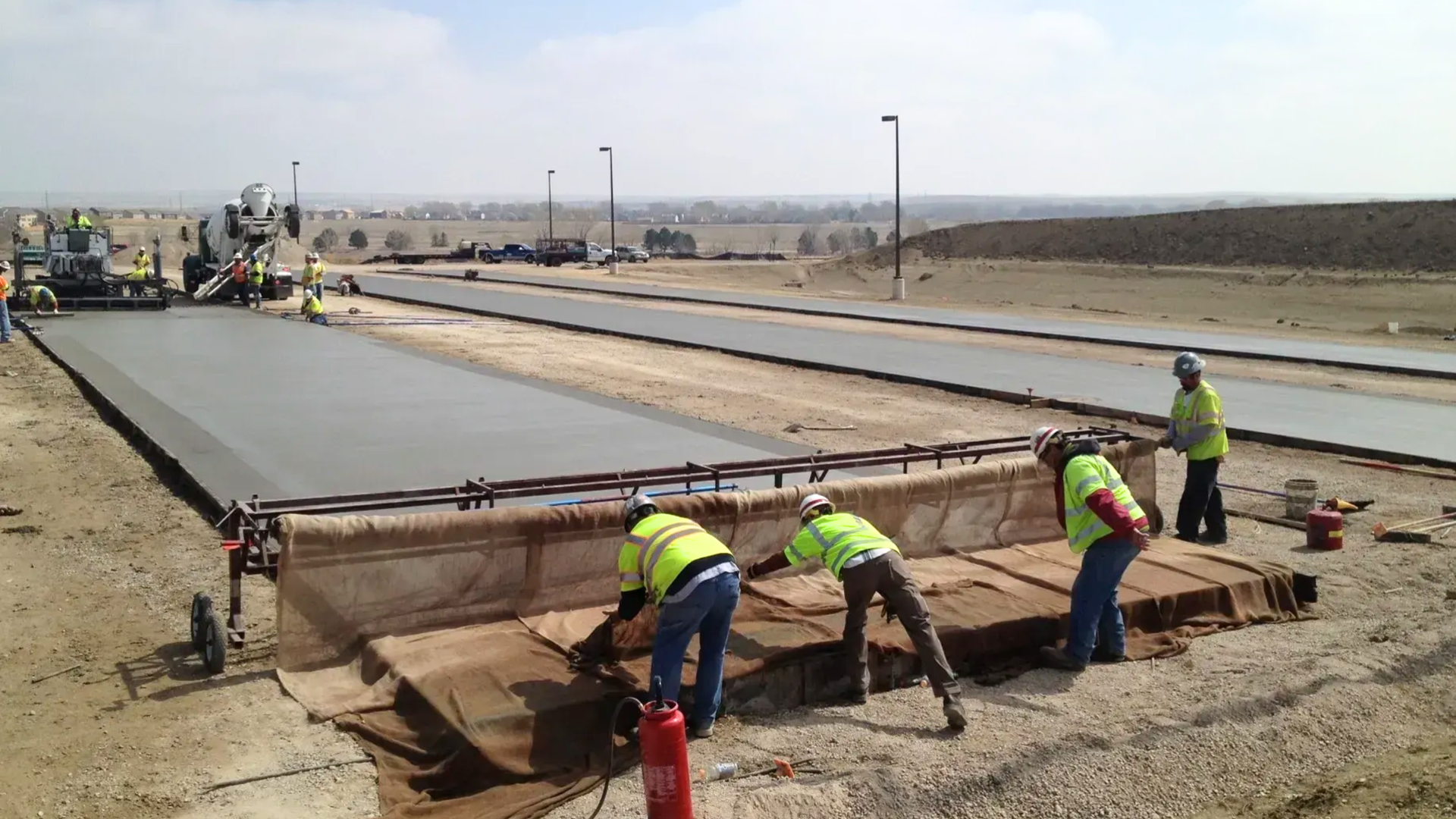
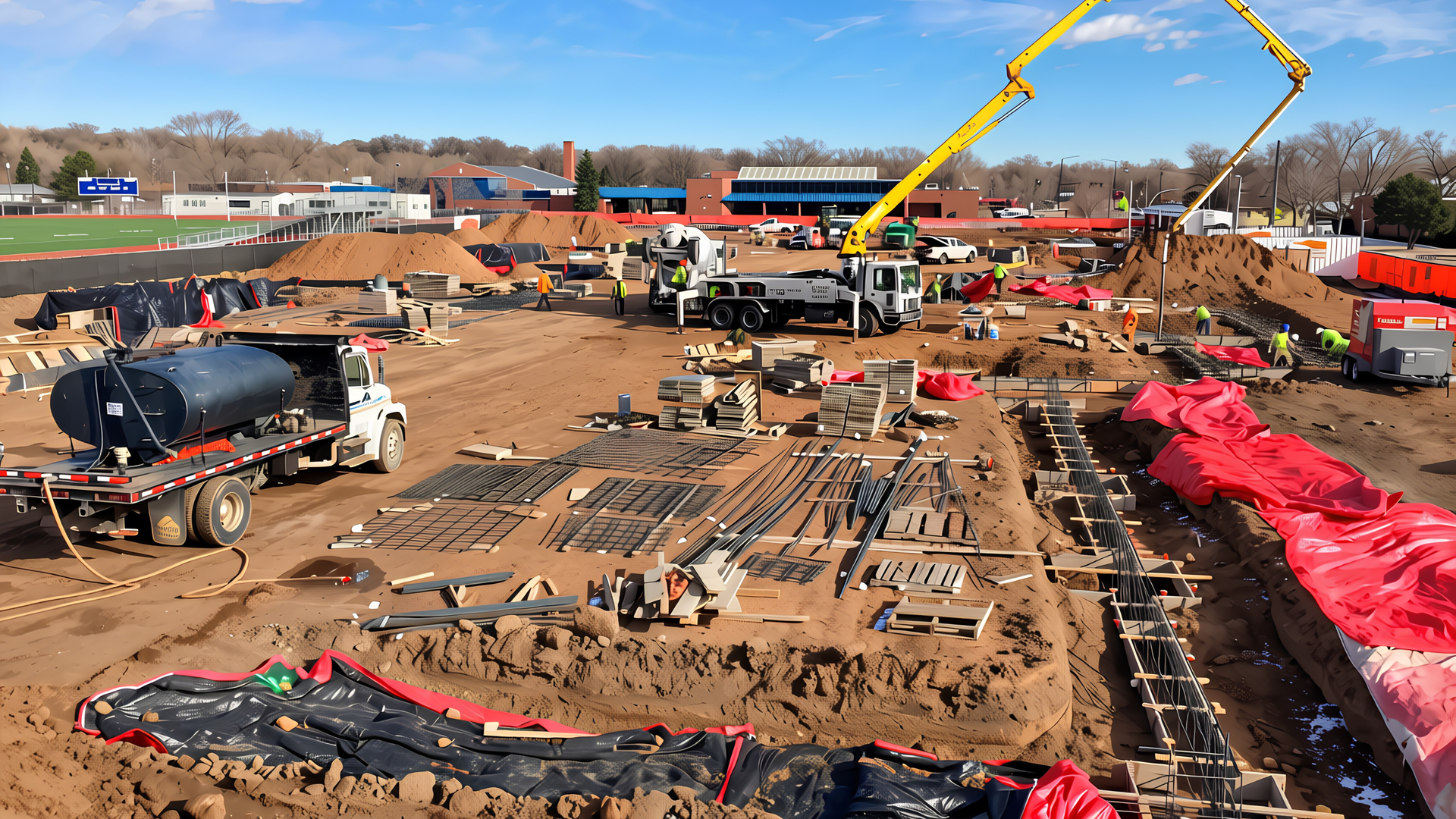
Structural concrete installation follows a controlled process to ensure accuracy, strength, and compliance with project specifications.
Site Preparation and Layout
The site is prepared according to engineered drawings. Layout accuracy is critical to ensure proper alignment of structural elements.
Excavation and Subgrade Preparation
Excavation depth and soil preparation must meet design requirements. Poor subgrade conditions can compromise structural performance.
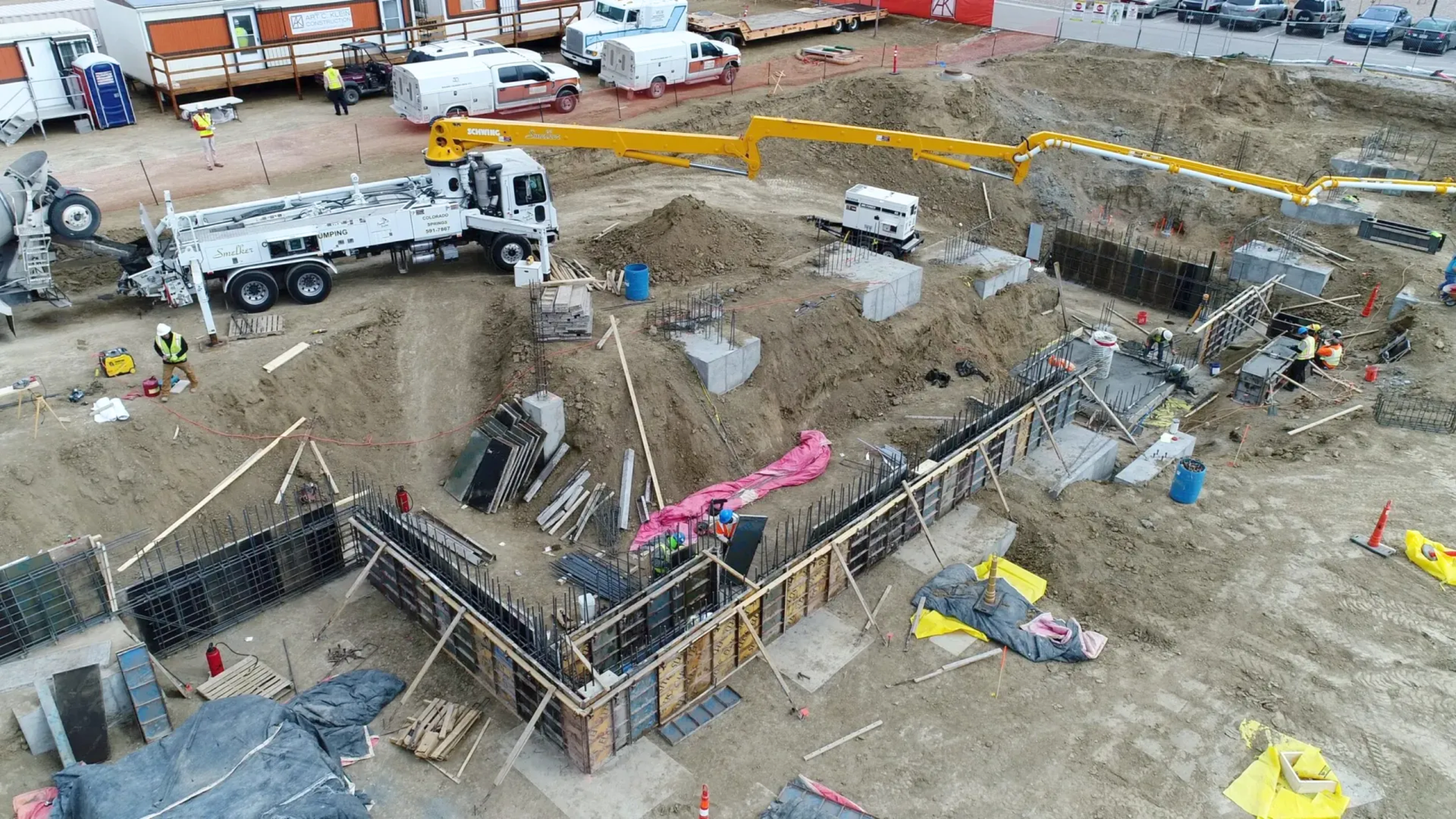
Formwork Installation
Formwork creates the shape and dimensions of structural elements. Forms must be rigid, properly braced, and aligned to tolerances.
Reinforcement Placement
Rebar placement follows engineered plans exactly. Spacing, size, and positioning directly affect load capacity.
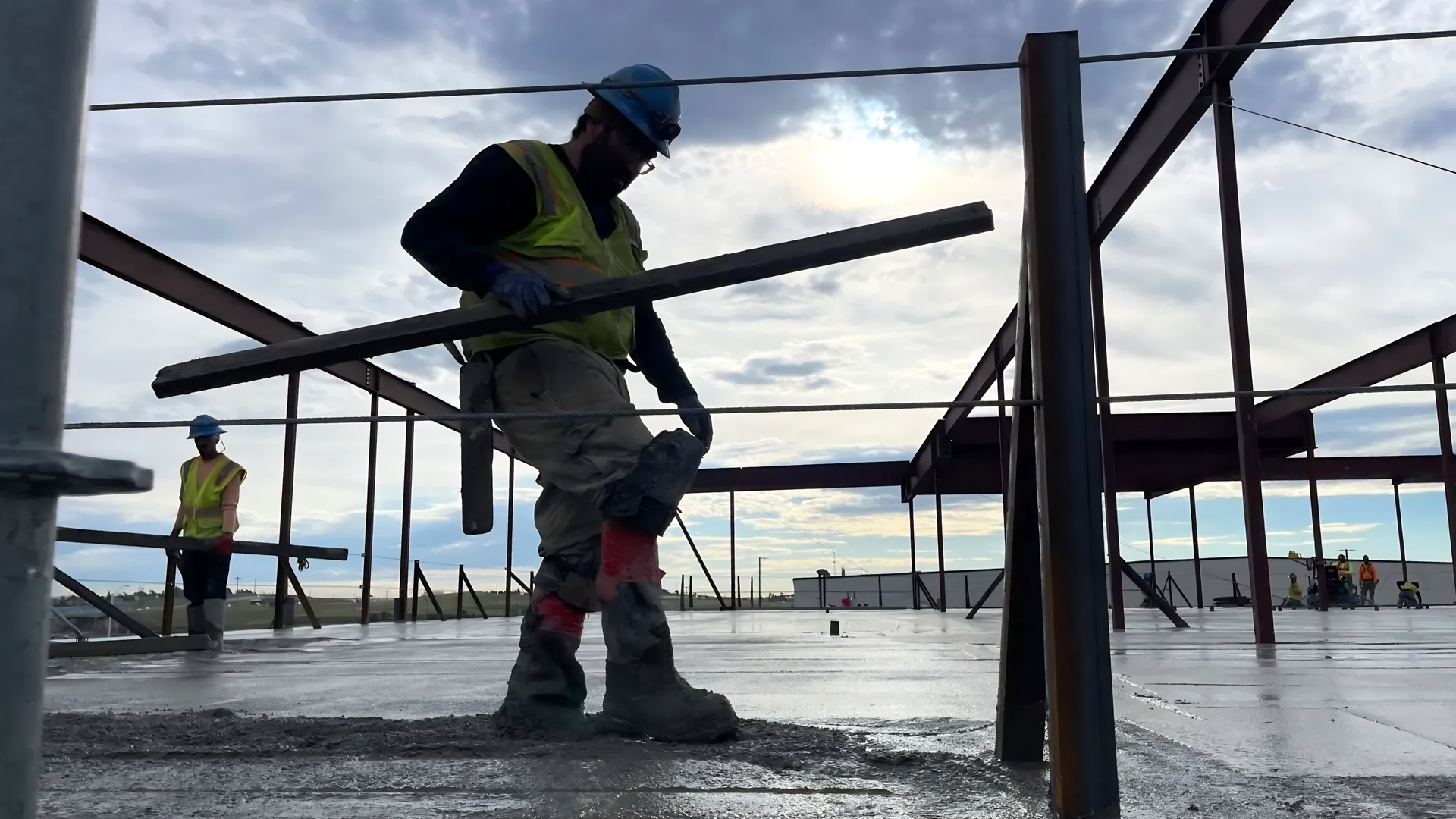
Concrete Placement
Concrete is placed carefully to avoid segregation and ensure full coverage around reinforcement.
Consolidation and Finishing
Vibration removes air pockets and improves concrete density. Finishing ensures surfaces meet design specifications.
Curing and Strength Development
Controlled curing allows concrete to reach its designed compressive strength.
Each phase must be documented and inspected to maintain compliance.
Structural Concrete Cost Considerations in Colorado Springs
Structural concrete costs vary widely depending on project size, complexity, and engineering requirements. Pricing reflects the level of precision, labor, and coordination involved.
Typical Structural Concrete Cost Factors
| Cost Factor | How It Affects Pricing |
|---|---|
| Structural design complexity | More reinforcement and labor |
| Concrete strength requirements | Higher-strength mixes increase cost |
| Reinforcement density | Increased material and labor |
| Formwork complexity | Custom forms require more time |
| Excavation depth | Deeper excavation increases prep |
| Inspection and compliance | Additional coordination and documentation |
Because structural concrete is engineered work, pricing should always be evaluated alongside performance and risk mitigation.
Project planning typically begins with a review of Structural Concrete Services in Colorado Springs to align scope and budget early.
Importance of Engineering and Code Compliance
Structural concrete must meet strict building codes and engineering standards. This includes:
- Load calculations
- Reinforcement detailing
- Concrete strength specifications
- Inspection scheduling
- Documentation and approvals
Non-compliant structural concrete can delay projects, increase liability, and require costly remediation.
Experienced contractors coordinate closely with engineers and inspectors throughout the process.
Structural Concrete and Colorado Springs Soil Conditions
Soil conditions in Colorado Springs vary significantly by location. Expansive soils, slope changes, and drainage issues all influence structural design.
Structural concrete solutions often include:
- Deeper foundations
- Additional reinforcement
- Grade beams or piers
- Drainage management
Proper site evaluation helps ensure long-term performance and reduces risk.
How Structural Concrete Fits Into Commercial Concrete Services
Structural concrete is often the foundation of larger commercial construction scopes. It integrates with:
- Foundations and footings
- Retaining walls
- Structural slabs
- Piers and columns
- Commercial paving and flatwork
Understanding how structural concrete connects with other elements improves coordination and scheduling.
Choosing a Structural Concrete Contractor
Selecting the right contractor is critical for structural work. Commercial clients should look for:
- Proven experience with structural concrete projects
- Ability to follow engineered plans precisely
- Strong quality control processes
- Familiarity with inspections and compliance
- Clear communication with project stakeholders
Structural concrete is not an area for shortcuts or inexperience.
Frequently Asked Questions
What makes concrete “structural”?
- Structural concrete is designed and reinforced to carry loads and support a structure.
Is structural concrete always reinforced?
- Yes. Structural concrete requires reinforcement to meet design and safety requirements.
How long does structural concrete take to cure?
- Concrete gains strength over time, with initial curing in days and full design strength typically achieved after several weeks.
Can structural concrete be modified after installation?
- Modifications are possible but require engineering review and careful planning.
Is structural concrete more expensive than standard concrete?
- Yes. Structural concrete costs more due to engineering, reinforcement, and inspection requirements.
Your Next Step
Structural concrete plays a critical role in the safety and performance of commercial construction projects. Proper planning, engineering coordination, and experienced execution help ensure long-term success.
Peak Concrete Enterprises provides structural concrete services as part of its commercial Concrete services in Colorado Springs. Contact us today to request a free estimate and discuss your upcoming commercial project with an experienced structural concrete contractor.
Commercial Concrete Slabs in Colorado Springs: Cost, Thickness, and What Property Owners Should Know