Commercial Concrete Foundations in Colorado Springs: Types, Costs, and What Property Owners Should Know
Commercial concrete foundations are the structural base of any successful building project. They support the full weight of the structure, transfer loads into the soil, and ensure long-term stability. In Colorado Springs, foundation design must account for soil variability, elevation changes, and seasonal freeze–thaw conditions.
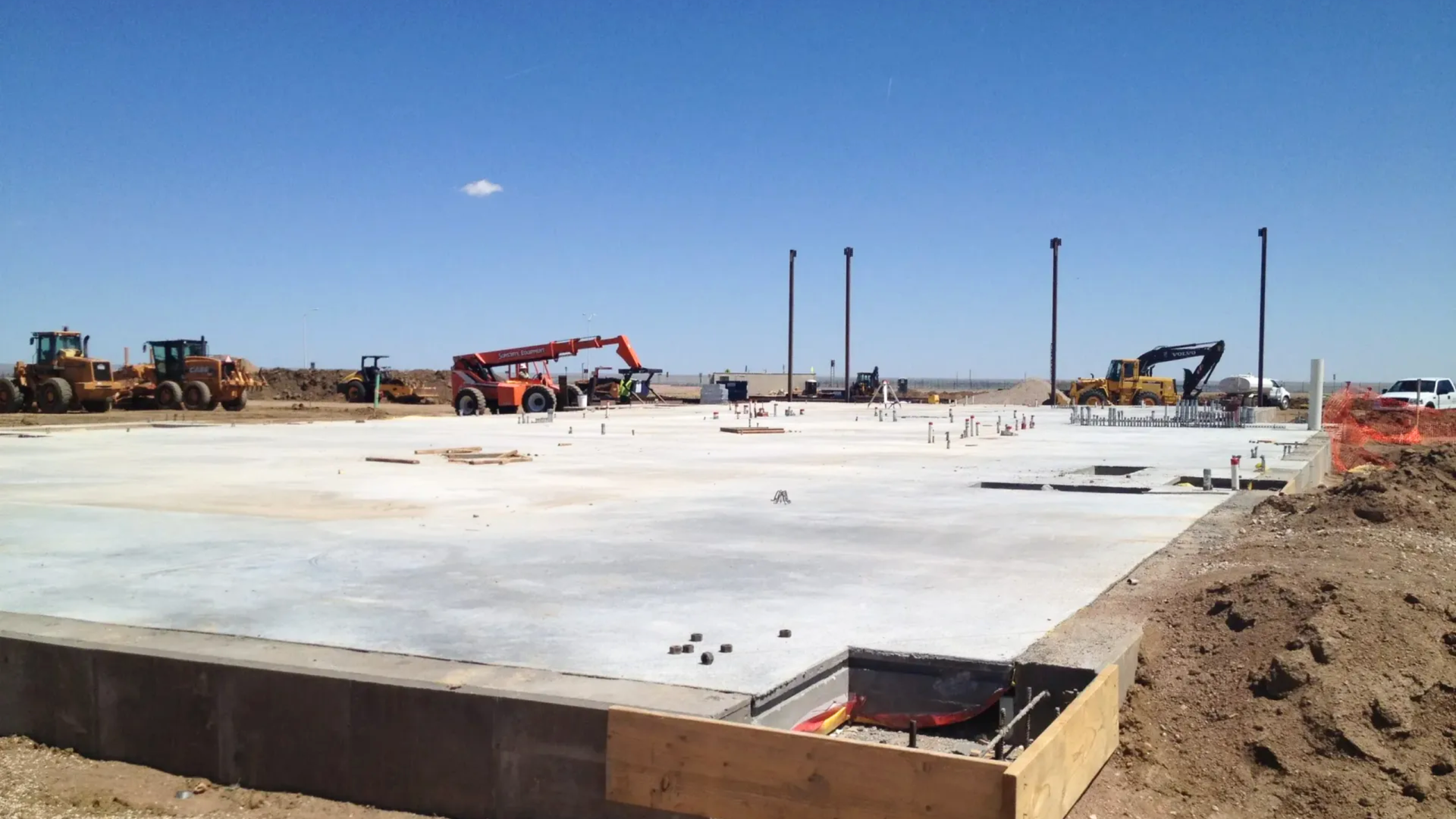
For property owners, developers, and commercial clients, foundation decisions affect cost, timeline, structural performance, and long-term maintenance. This guide explains commercial foundation types, cost considerations, thickness standards, soil factors, and what to expect during installation.
Commercial foundations are a core component of Commercial Concrete Services in Colorado Springs, and they often work alongside structural concrete, slabs, and other structural elements.
What Is a Commercial Concrete Foundation?
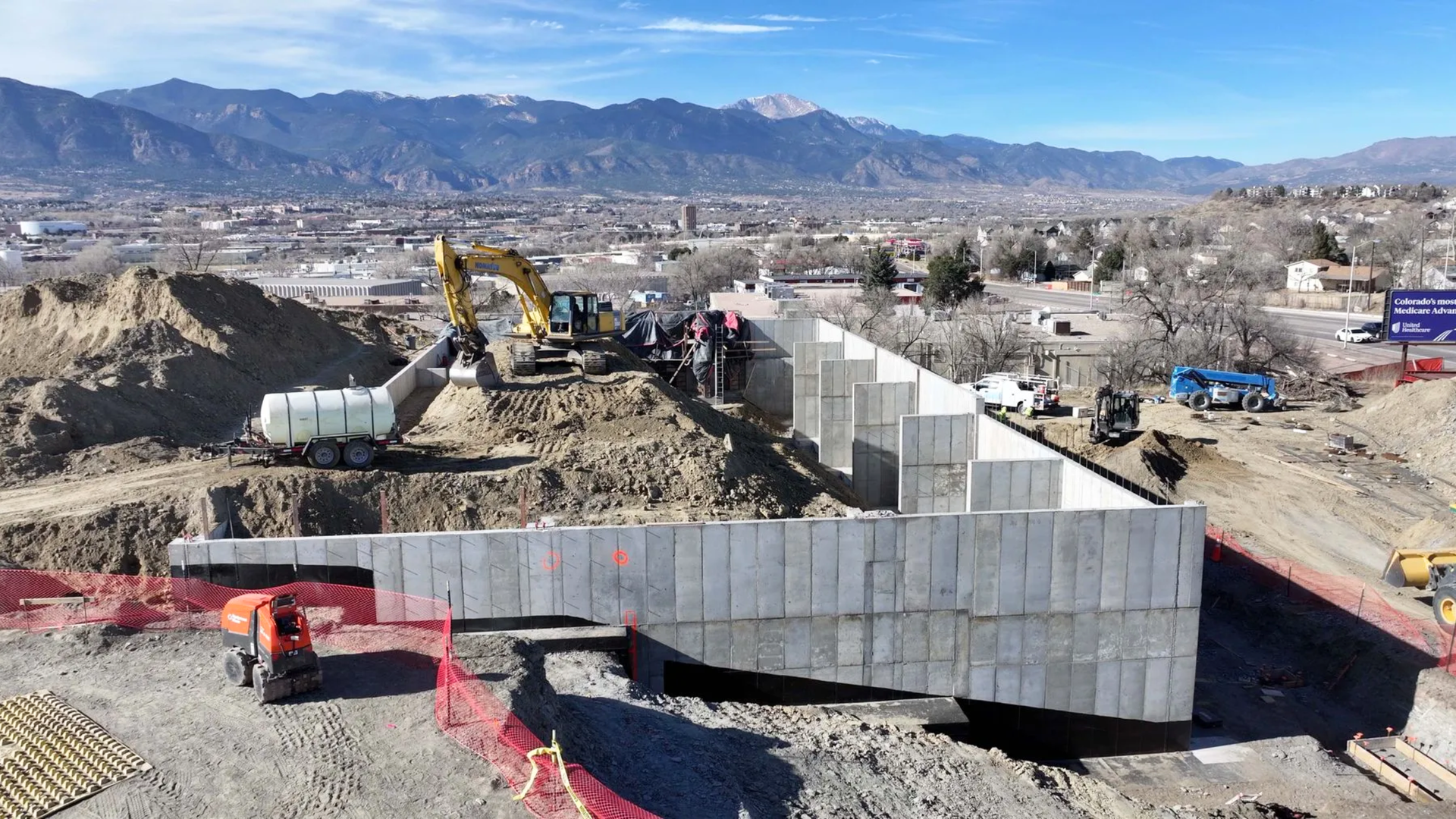
A commercial foundation is an engineered concrete system designed to support the load of a building or structure. Unlike residential foundations, commercial foundations typically handle:
- Larger structural loads
- Heavier equipment
- Multi-story construction
- Industrial or warehouse operations
- Engineered design requirements
Foundation systems are designed based on structural plans, soil reports, and local building codes. Precision in layout, reinforcement, and concrete placement is critical.
Types of Commercial Concrete Foundations
The right foundation type depends on soil conditions, structural load, and building design.
Spread Footing Foundations
Spread footings distribute structural loads across a wider area of soil. They are commonly used for commercial buildings with moderate loads.
Continuous Footings
Continuous footings run along the perimeter or load-bearing walls. They provide uniform support and are common in retail and light commercial buildings.
Mat or Raft Foundations
Mat foundations spread loads over a large area. They are used when soil conditions require broad load distribution.
Pier and Grade Beam Systems
Piers extend deeper into stable soil layers. Grade beams connect piers and support the structure above.
Slab-on-Grade Foundations
Slab-on-grade systems combine a structural slab with perimeter footings. They are common in warehouses and commercial facilities.
Commercial foundation systems often integrate with Structural Concrete Services in Colorado Springs to ensure engineered strength and compliance.
Foundation Depth and Thickness Guidelines
Foundation dimensions vary depending on structural requirements and soil conditions. The following table provides general commercial guidelines.
| Foundation Element | Typical Thickness / Depth |
|---|---|
| Spread footings | 12–24 inches thick |
| Continuous footings | 12–24 inches thick |
| Grade beams | 18–36 inches deep |
| Slab-on-grade | 5–8 inches thick |
| Structural slab (heavy load) | 6–10+ inches thick |
| Pier depth | Engineered per soil report |
These figures are typical ranges. Final dimensions are determined by structural engineers and geotechnical evaluations.
Cost of Commercial Concrete Foundations in Colorado Springs
Foundation costs vary significantly depending on structural complexity, soil preparation, reinforcement density, and building size.
Average Commercial Foundation Cost Ranges
| Foundation Type | Typical Installed Cost |
|---|---|
| Spread footings | $18 – $30 per sq ft |
| Continuous footings | $20 – $35 per sq ft |
| Slab-on-grade | $14 – $25 per sq ft |
| Reinforced structural slab | $20 – $40+ per sq ft |
| Pier and grade beam system | Project-specific; often $75,000+ |
Large commercial projects often range from $150,000 to several hundred thousand dollars depending on building footprint and structural requirements.
What Affects Commercial Foundation Cost?
Several factors influence pricing:
- Soil conditions
- Depth of excavation
- Reinforcement requirements
- Concrete strength specifications
- Site access
- Inspection and compliance coordination
- Drainage design
In Colorado Springs, expansive soils can increase excavation and reinforcement needs, which directly affects cost.
Soil Conditions in Colorado Springs
Soil plays a critical role in foundation performance. Expansive clay soils are common in parts of Colorado Springs. These soils expand when wet and shrink when dry, creating movement that can stress foundations.
To manage soil risk, foundation plans may include:
- Deeper footings
- Increased reinforcement
- Moisture barriers
- Drainage systems
- Engineered fill material
A geotechnical report helps determine appropriate foundation design before construction begins.
According to industry resource Concrete Network, proper soil evaluation is essential for long-term structural performance.
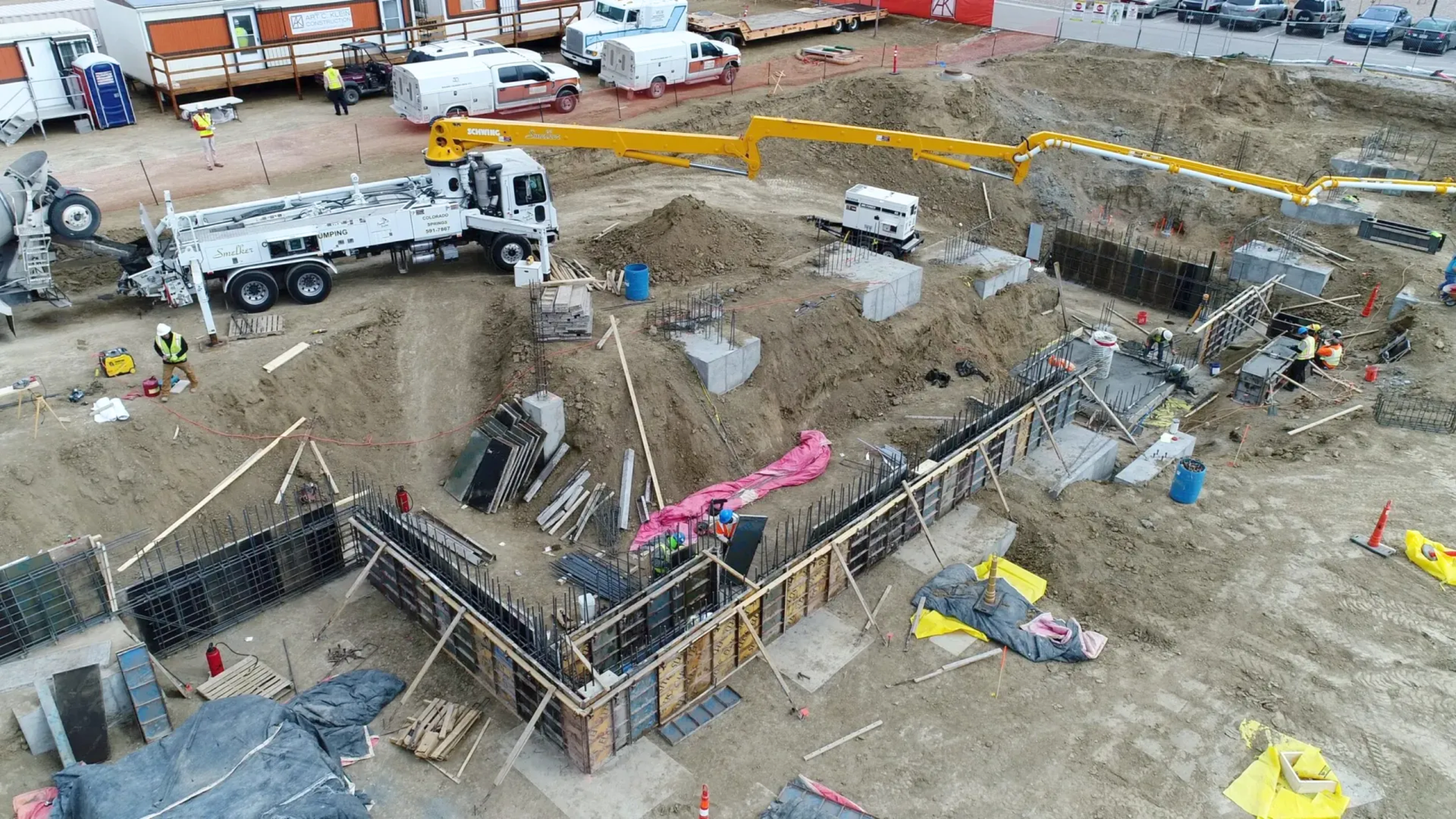
Commercial Foundation Installation Process
A structured installation process reduces risk and ensures compliance.
1. Site Preparation
The site is cleared, graded, and surveyed to match engineered plans.
2. Excavation
Excavation depth is based on structural requirements and frost depth.
3. Subgrade Preparation
Compaction and stabilization ensure uniform load distribution.
4. Formwork Installation
Forms create precise dimensions for footings and foundation walls.
5. Reinforcement Placement
Rebar placement follows structural drawings exactly.
6. Concrete Placement
Concrete is poured and consolidated to eliminate air pockets.
7. Inspection and Approval
Local inspectors verify compliance with plans and code requirements.
Each stage must align with engineered specifications.
Durability and Performance Expectations
A properly installed commercial foundation can last the lifetime of the structure. Performance depends on:
- Proper soil preparation
- Accurate reinforcement placement
- Correct concrete mix design
- Effective drainage
- Controlled curing
Foundations designed for commercial use must withstand long-term structural loads and environmental conditions.
Foundation Design and Drainage
Drainage is often overlooked but critical. Poor drainage can compromise foundation performance.
Best practices include:
- Perimeter drainage systems
- Proper grading away from the structure
- Moisture barriers where required
- Downspout management
Foundation systems work best when integrated into the overall site plan.
Coordinating Foundations with Other Commercial Concrete Work
Commercial foundations rarely stand alone. They connect directly with:
Planning foundation work alongside broader commercial concrete services ensures project continuity and scheduling efficiency.
Choosing the Right Commercial Foundation Contractor
Commercial foundation work requires precision and coordination. Property owners should look for:
- Experience with engineered foundation systems
- Familiarity with Colorado Springs soil conditions
- Strong communication with engineers and inspectors
- Clear project scheduling and documentation
Foundation work is not an area for shortcuts. Long-term building stability depends on proper execution.
Frequently Asked Questions
How long does it take to install a commercial foundation?
- Timelines vary based on project size and complexity. Smaller projects may take weeks, while larger foundations can require several months.
Do all commercial foundations require a soil report?
- Most commercial projects benefit from a geotechnical evaluation to determine appropriate design.
Can foundations be repaired if issues occur?
- Yes, but repairs can be costly and disruptive. Proper initial installation reduces long-term risk.
Is reinforcement always required?
- Yes. Commercial foundations require engineered reinforcement to handle structural loads.
What is the lifespan of a commercial concrete foundation?
- When properly installed and maintained, foundations are designed to last for decades or longer.
Your Next Step
Commercial foundations form the structural base of your building. Proper planning, soil evaluation, and professional installation ensure long-term stability and performance.
Peak Concrete Enterprises installs foundations as part of its full commercial concrete services in Colorado Springs. If you are planning a commercial project, contact our team to request a detailed estimate and review your foundation requirements with an experienced concrete contractor.
Commercial Concrete Slabs in Colorado Springs: Cost, Thickness, and What Property Owners Should Know