Commercial Concrete Paving in Colorado Springs: Cost, Applications, and What Property Owners Should Know
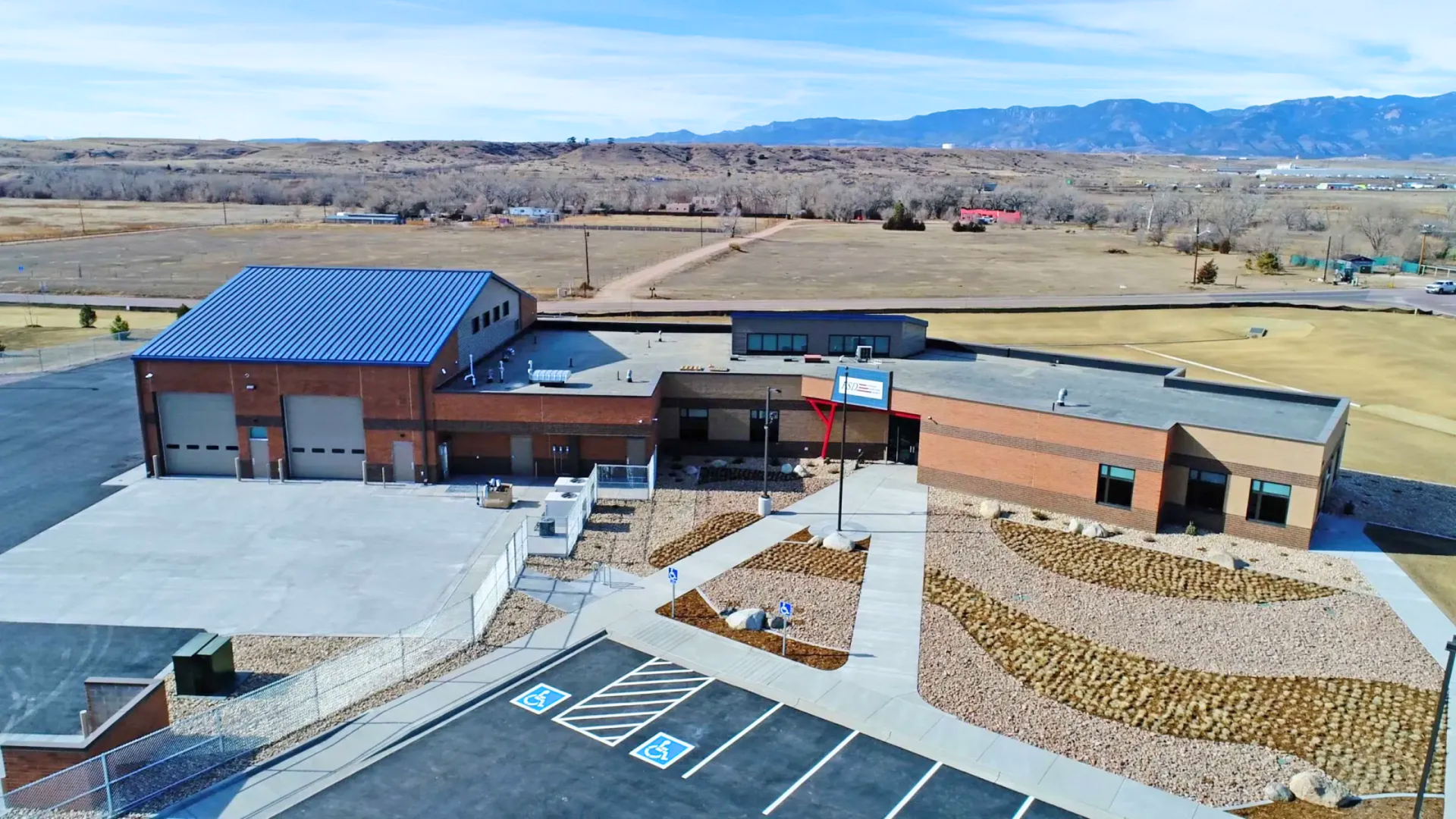
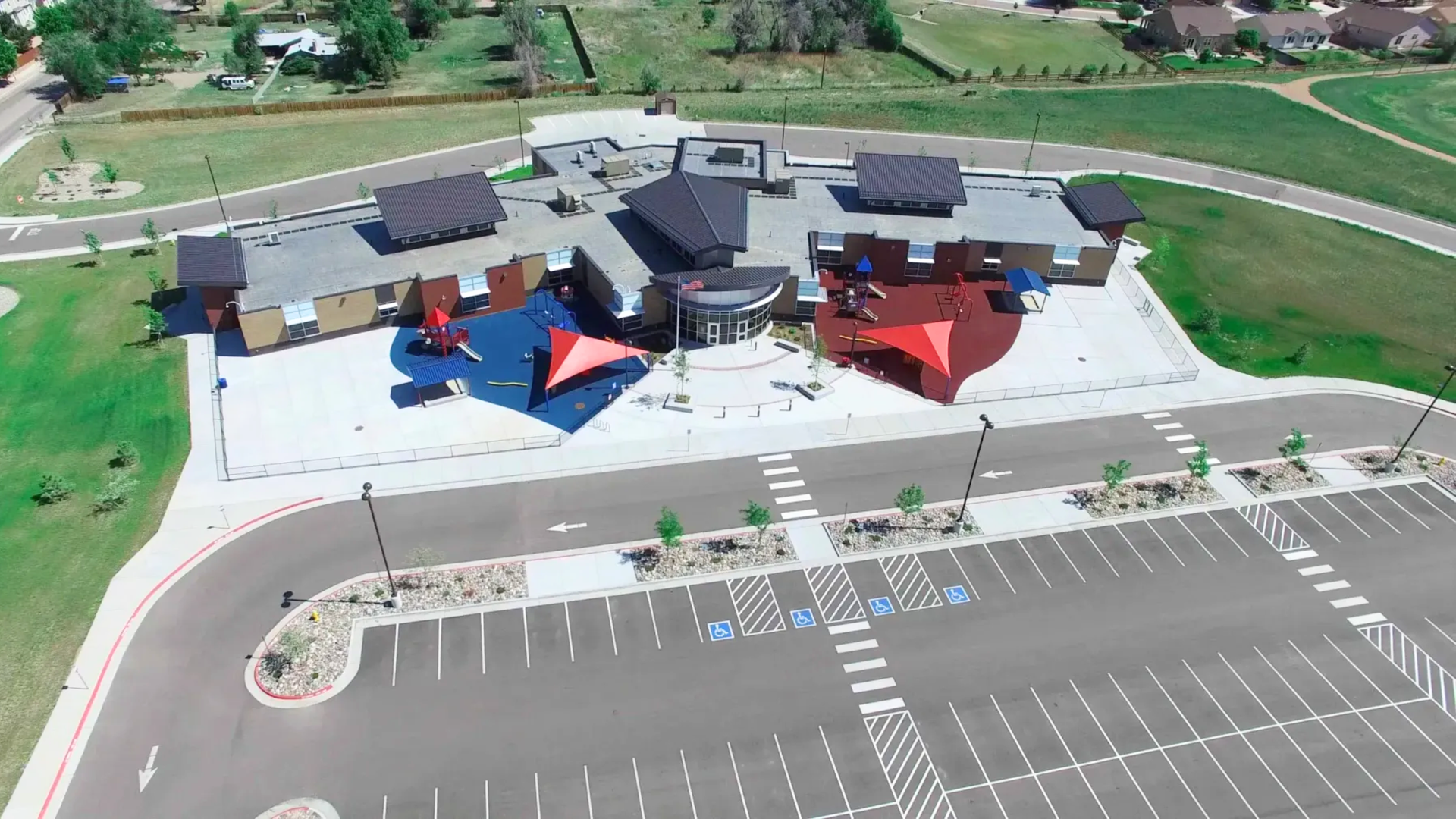
Commercial concrete paving is a key part of many properties in Colorado Springs. It provides durable, stable surfaces for parking lots, drive lanes, loading areas, and access roads. When installed correctly, concrete paving holds up under heavy use and reduces long-term maintenance compared to other surface options.
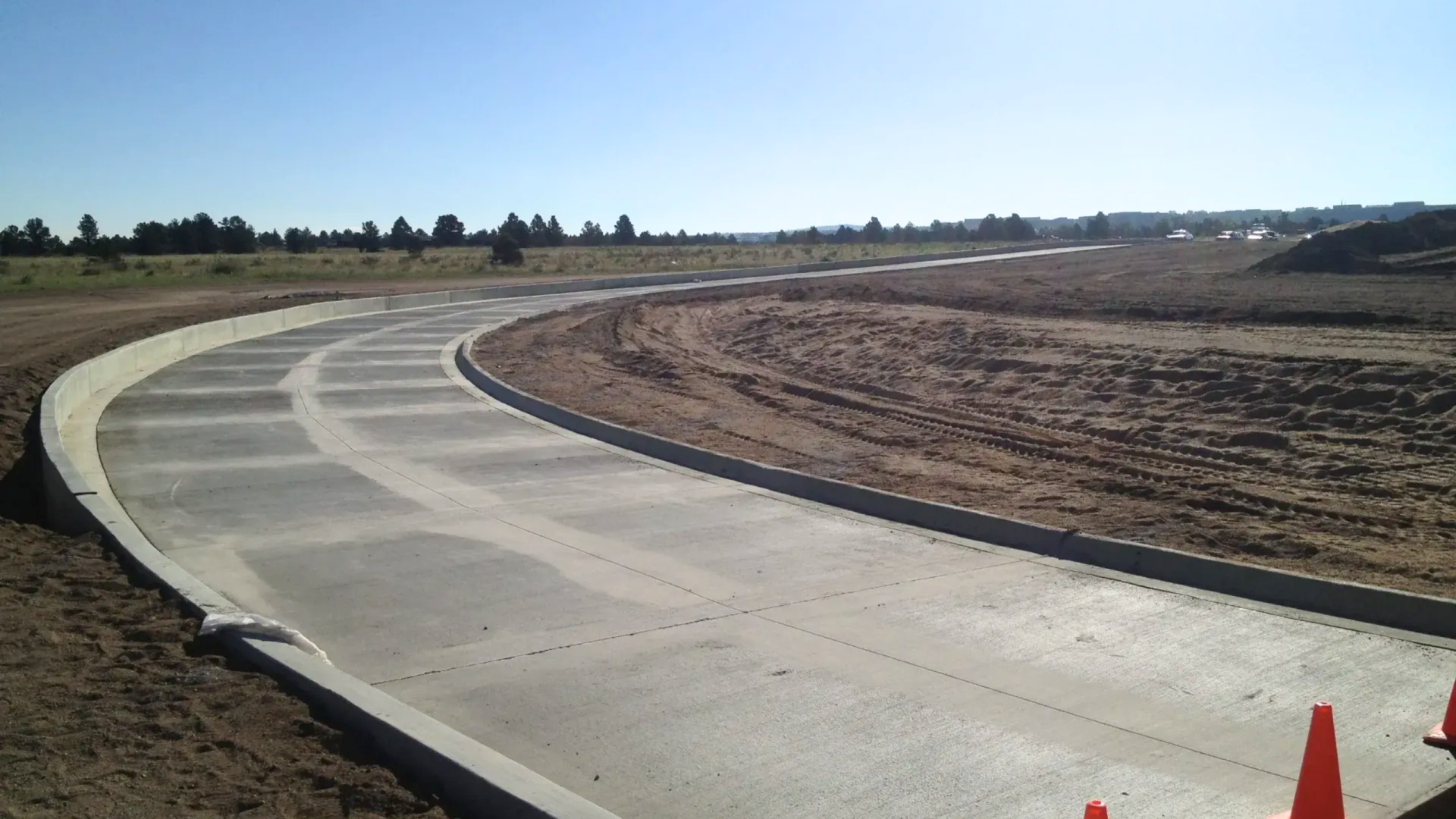
For property owners, paving is not just about appearance. It affects traffic flow, safety, drainage, and long-term repair costs. This guide explains how commercial concrete paving works, what it costs in Colorado Springs, and how to plan a project that performs well over time.
Concrete paving is often installed alongside grading, foundations, and structural work as part of Commercial Concrete Services in Colorado Springs.
What Is Commercial Concrete Paving?
Commercial concrete paving refers to poured concrete surfaces designed for vehicle traffic and heavy use. These surfaces are engineered to support weight, resist wear, and maintain a stable driving surface.
Common paving applications include:
- Parking lots
- Drive lanes
- Loading zones
- Access roads
- Commercial entrances
- Equipment yards
Unlike residential flatwork, commercial paving must handle higher loads and more frequent use. This requires proper base preparation, reinforcement, and thickness.
Where Concrete Paving Is Used
Concrete paving is commonly used in a wide range of commercial properties.
Typical applications include:
- Retail centers and shopping areas
- Office buildings
- Warehouses and industrial facilities
- Storage facilities
- Schools and public buildings
- Medical and institutional properties
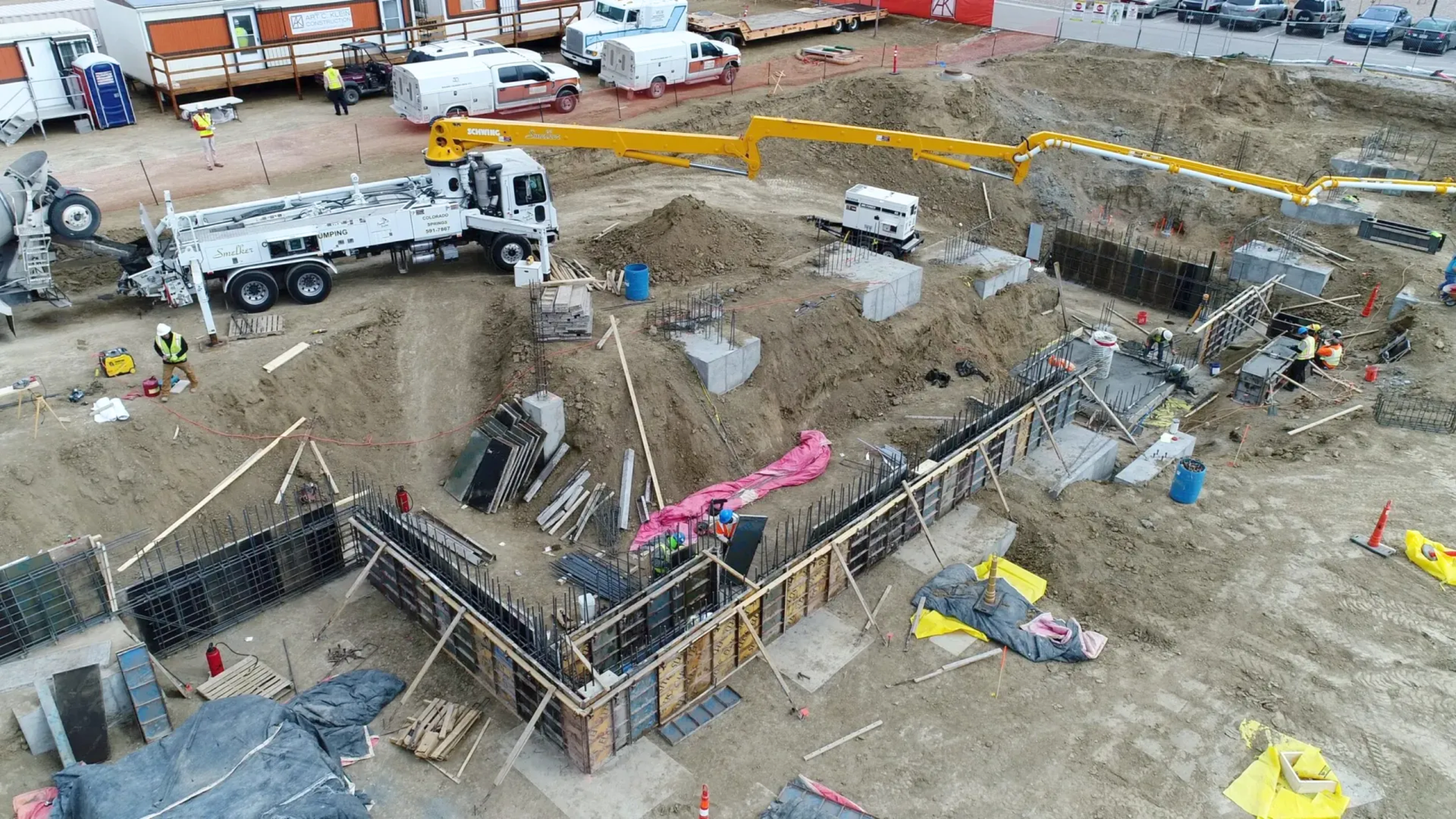
In many cases, paving is installed after site grading and foundation work. Coordinating paving with Commercial Concrete Foundations in Colorado Springs helps ensure the entire site is properly prepared.
Concrete vs Asphalt: Which Is Better for Commercial Use?
Property owners often compare concrete and asphalt when planning paving projects. Each material has advantages, but the choice depends on long-term goals.
| Feature | Concrete Paving | Asphalt Paving |
|---|---|---|
| Lifespan | 25–40+ years | 15–25 years |
| Maintenance | Low | Moderate to high |
| Upfront Cost | Higher | Lower |
| Heat Resistance | High | Moderate |
| Load Capacity | High | Moderate |
| Long-Term Cost | Lower over time | Higher over time |
Concrete typically costs more upfront but requires fewer repairs and lasts longer. For properties with heavy traffic or long-term ownership, concrete often provides better value.
Cost of Commercial Concrete Paving in Colorado Springs
The cost of commercial paving depends on size, thickness, reinforcement, and site conditions. Projects with heavy traffic or poor soil conditions typically require thicker slabs and additional reinforcement.
Average Commercial Concrete Paving Costs
| Paving Type | Typical Installed Cost |
|---|---|
| Standard commercial paving | $12 – $18 per sq ft |
| Reinforced paving | $14 – $22 per sq ft |
| Heavy-duty paving (industrial use) | $18 – $30+ per sq ft |
| Large parking lot project | $80,000 – $300,000+ |
These prices include excavation, base preparation, reinforcement, concrete placement, and finishing.
What Affects Paving Costs
Several factors influence final project pricing.
The most common cost drivers include:
- Site preparation and grading
- Soil conditions
- Concrete thickness
- Reinforcement requirements
- Drainage systems
- Project size
- Access to the site
Larger projects may reduce cost per square foot, but total project cost increases with size.
Thickness Guidelines for Commercial Concrete Paving
Thickness is one of the most important factors in pavement performance. Thicker slabs handle heavier loads and last longer.
Typical Thickness Standards
| Application | Recommended Thickness |
|---|---|
| Light commercial traffic | 5–6 inches |
| Standard parking lots | 6–7 inches |
| Heavy truck traffic | 7–9 inches |
| Industrial or loading zones | 8–10+ inches |
A contractor evaluates traffic loads and soil conditions before determining final thickness.
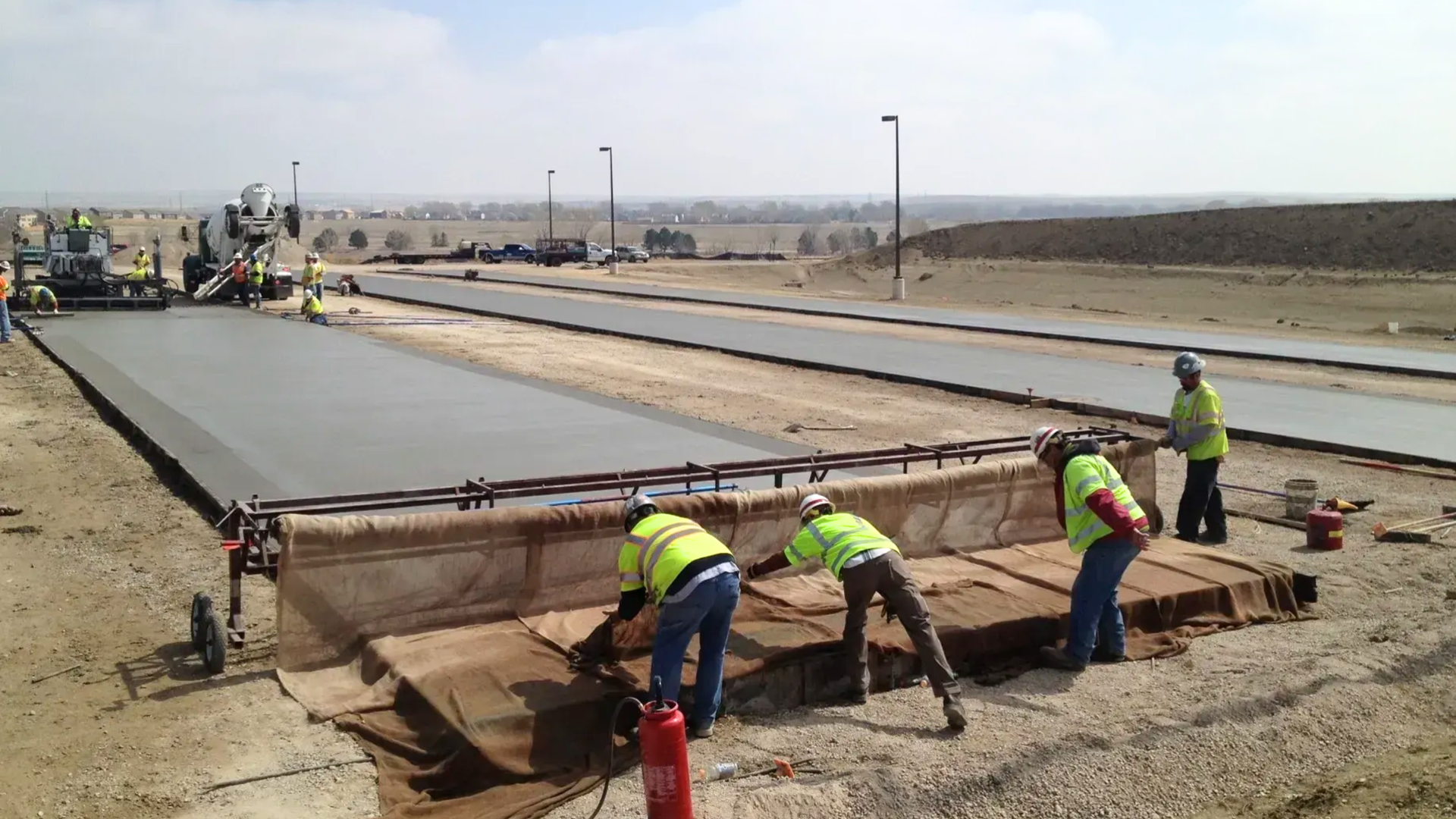
How Commercial Concrete Paving Is Installed
Concrete paving requires a structured process to ensure durability and long-term performance.
Site Preparation
The site is cleared, graded, and leveled. Proper grading ensures water flows away from paved areas.
Base Preparation
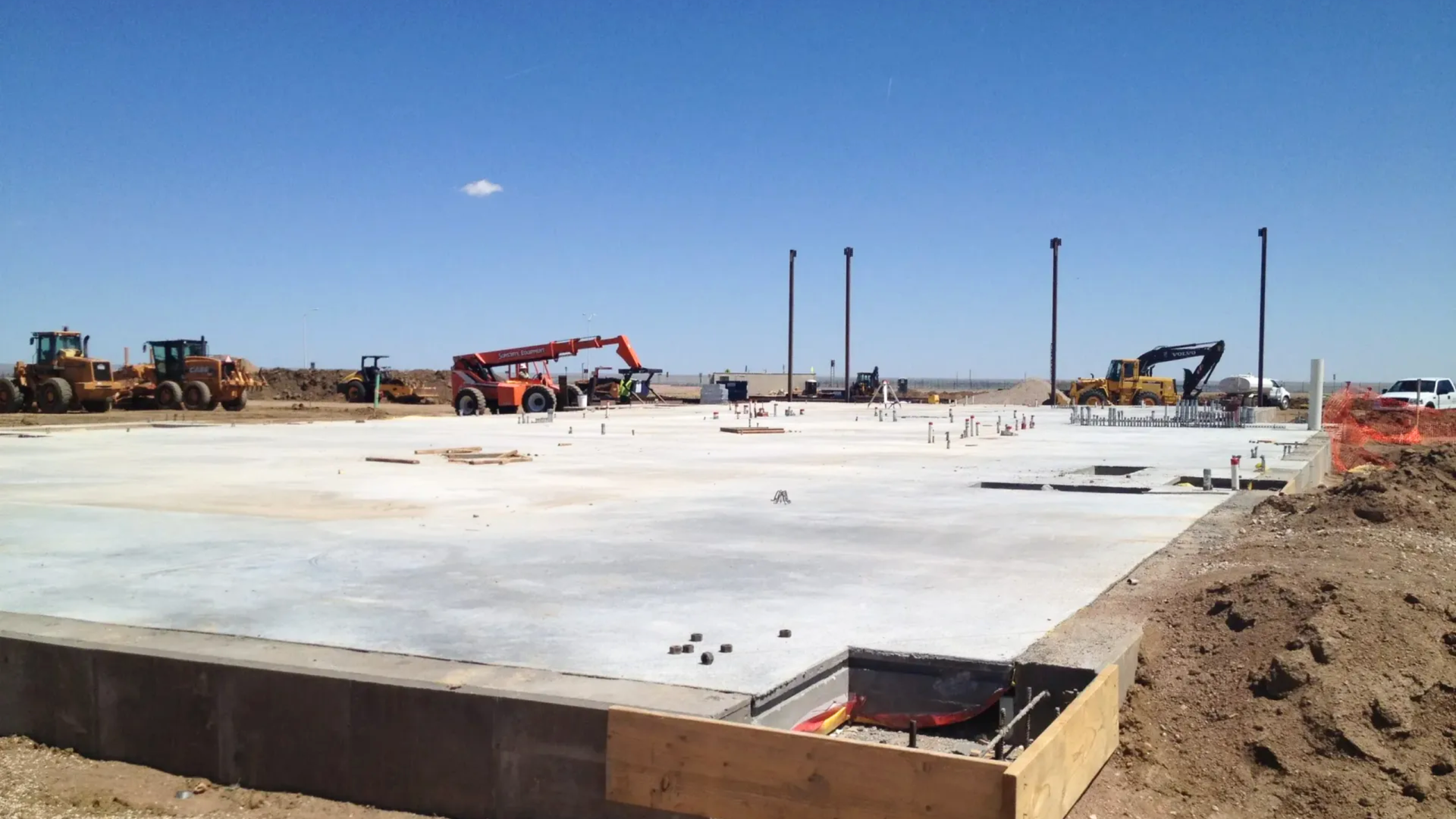
A compacted base layer is installed to support the concrete slab. This step prevents settling and cracking.
Forming and Reinforcement
Forms define the shape of the paved area. Reinforcement such as rebar or mesh increases strength.
Concrete Placement
Concrete is poured and leveled to the required thickness.
Joint Installation
Control joints are cut to manage cracking and allow the concrete to expand and contract.
Curing
Proper curing allows the concrete to reach full strength before heavy use.
Each step affects how well the pavement performs over time.
Drainage and Slope Considerations
Drainage is critical for commercial paving. Poor drainage can lead to water pooling, surface damage, and long-term structural issues.
Proper paving design includes:
- Sloped surfaces to direct water
- Drainage systems where needed
- Integration with site grading
- Water flow planning around buildings
Paving projects often work alongside grading and retaining systems, such as those covered in our guide on Commercial Concrete Retaining Walls.
Durability and Performance
Concrete paving is known for its long lifespan and resistance to wear. When installed correctly, it performs well under heavy traffic and changing weather conditions.
Key durability factors include:
- Proper base preparation
- Adequate thickness
- Reinforcement placement
- Drainage design
- Quality concrete mix
In Colorado Springs, freeze–thaw cycles make proper installation especially important.
Maintenance Requirements
Concrete paving requires less maintenance than many alternatives, but basic care helps extend its lifespan.
Recommended maintenance includes:
- Regular cleaning
- Sealing where needed
- Monitoring for cracks
- Repairing damage early
Compared to asphalt, concrete requires fewer repairs over time.
Common Mistakes to Avoid
Property owners should be aware of common paving issues that lead to early failure.
These include:
- Poor base preparation
- Thin slabs
- Inadequate reinforcement
- Improper drainage
- Skipping joint cuts
Choosing a qualified contractor helps avoid these problems.
How Concrete Paving Fits Into Commercial Construction
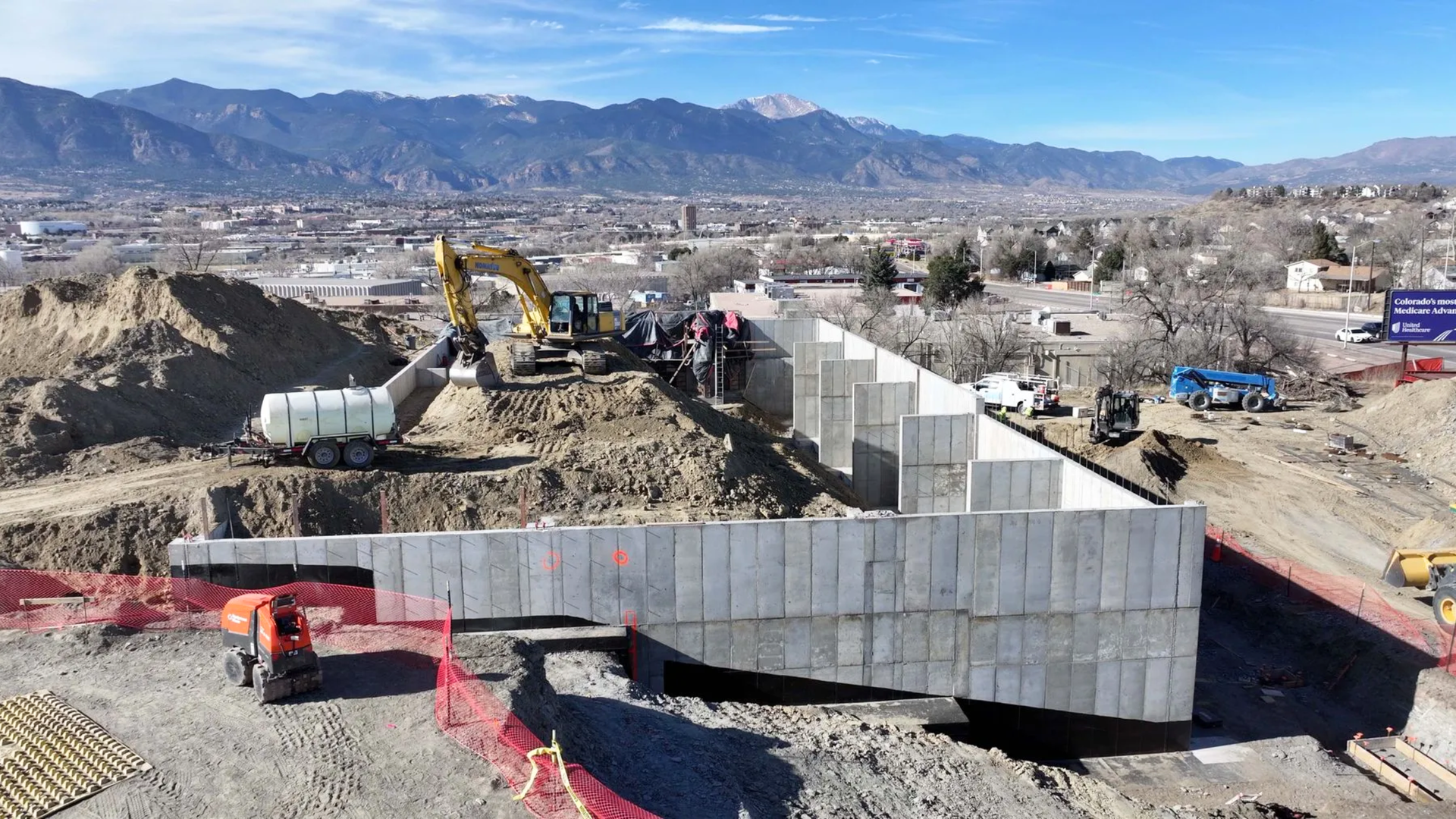
Concrete paving is typically one part of a larger construction project. It works together with:
- Foundations
- Retaining Walls
- Structural Concrete
- Site Grading
Planning paving alongside Structural Concrete Services in Colorado Springs helps ensure the entire site functions properly.
Choosing the Right Concrete Paving Contractor
Selecting the right contractor is essential for a successful project.
Property owners should look for:
- Experience with commercial paving
- Knowledge of local soil conditions
- Ability to follow engineered plans
- Clear communication and project planning
Proper installation reduces long-term repair costs and improves performance.
Frequently Asked Questions
How long does commercial concrete paving last?
With proper installation and maintenance, concrete paving can last 25 to 40 years or more.
Can concrete paving handle heavy trucks?
Yes. Thickness and reinforcement are adjusted based on expected traffic loads.
How long before paving can be used?
Light traffic may be allowed within a few days, but full strength develops over several weeks.
Does concrete paving crack?
Minor cracking can occur, but control joints help manage and minimize visible cracking.
Is concrete better than asphalt?
Concrete typically lasts longer and requires less maintenance, though the upfront cost is higher.
Your Next Step
Commercial concrete paving provides a durable, long-term surface for parking lots, drive lanes, and access areas. Proper planning, thickness selection, and drainage design are key to long-term performance.
Peak Concrete Enterprises installs paving as part of its full commercial concrete services in Colorado Springs. If you are planning a paving project, contact our team to discuss your property and request a detailed estimate.
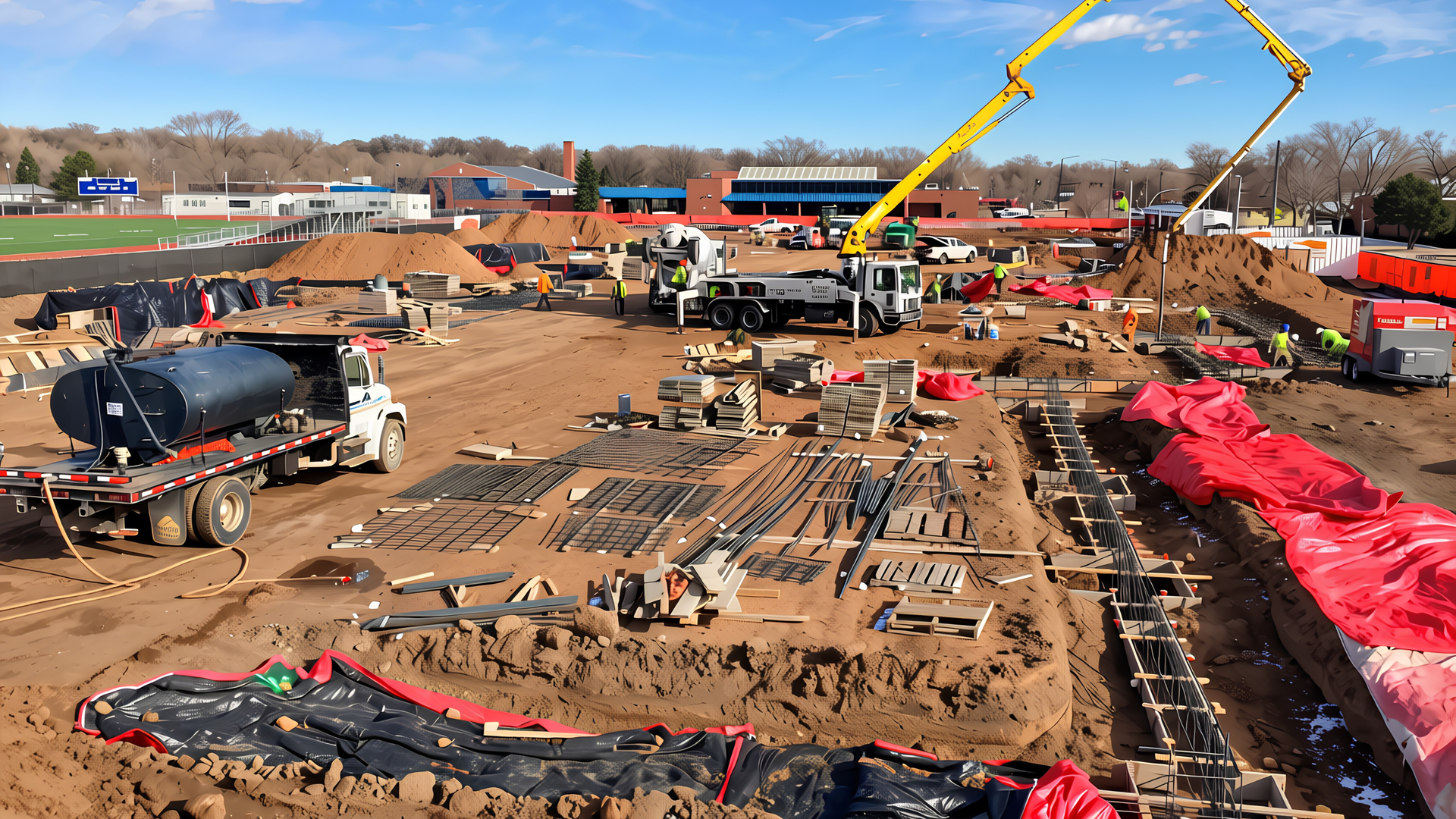
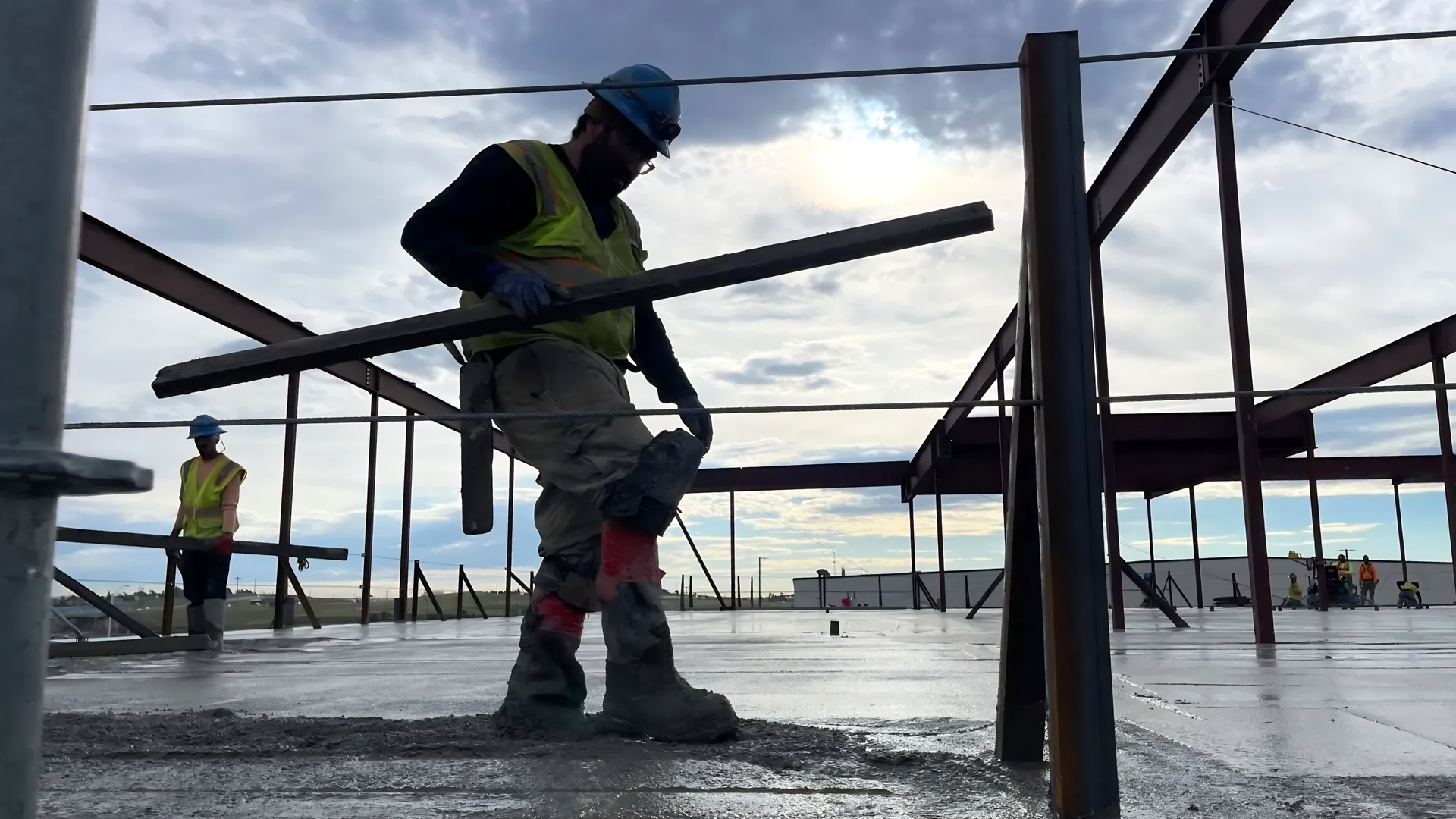
Commercial Concrete Slabs in Colorado Springs: Cost, Thickness, and What Property Owners Should Know