Commercial Concrete Slabs in Colorado Springs: Cost, Thickness, and What Property Owners Should Know
Commercial concrete slabs play a major role in how well a property performs over time. They support foot traffic, equipment, vehicles, storage systems, interior spaces, exterior work areas, and many other daily uses. When a slab is designed and installed correctly, it provides a stable surface that can handle the demands of commercial use with fewer long-term issues.
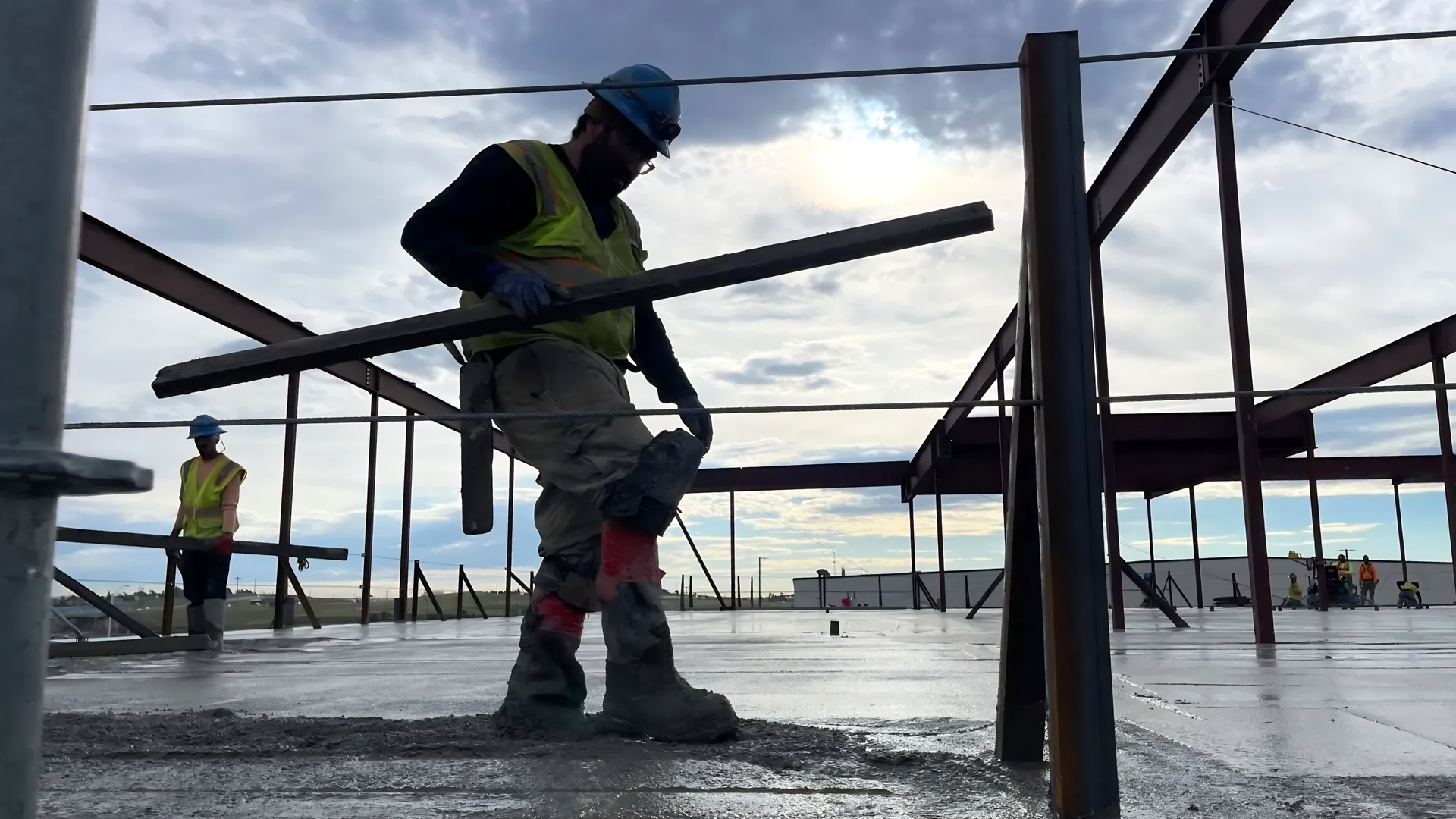
For property owners in Colorado Springs, slab installation is not just about pouring concrete. Soil conditions, drainage, thickness, reinforcement, traffic loads, curing, and finish selection all affect how the slab performs. A slab that is too thin, poorly reinforced, or placed over an unstable base can crack, settle, or wear down earlier than expected.
This guide explains what commercial property owners should know about concrete slabs, including common uses, cost factors, thickness guidelines, installation steps, and maintenance expectations. Commercial slabs are often part of our larger Commercial Concrete Services in Colorado Springs, especially for buildings, parking areas, loading zones, and site improvements.
What Is a Commercial Concrete Slab?
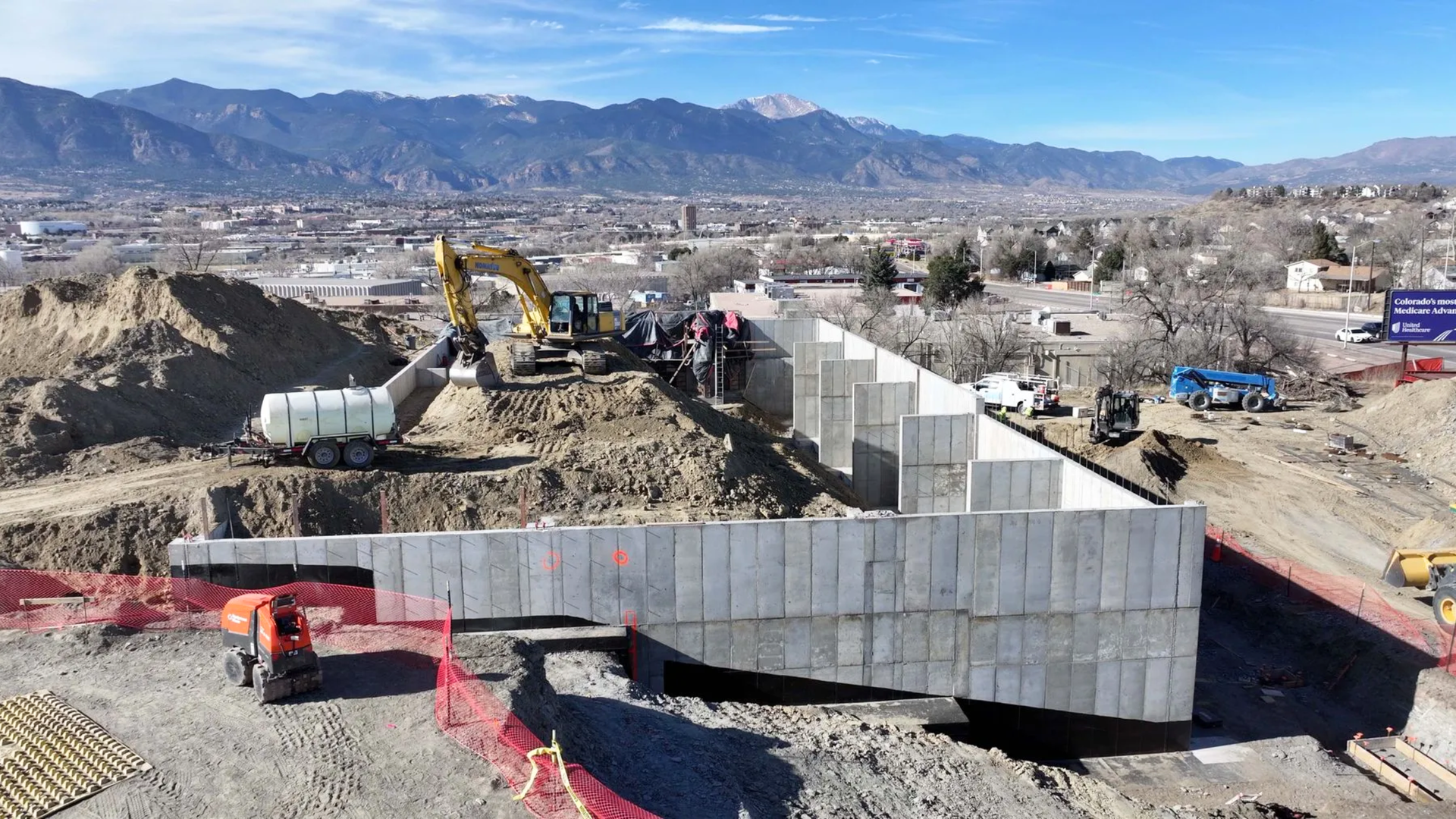
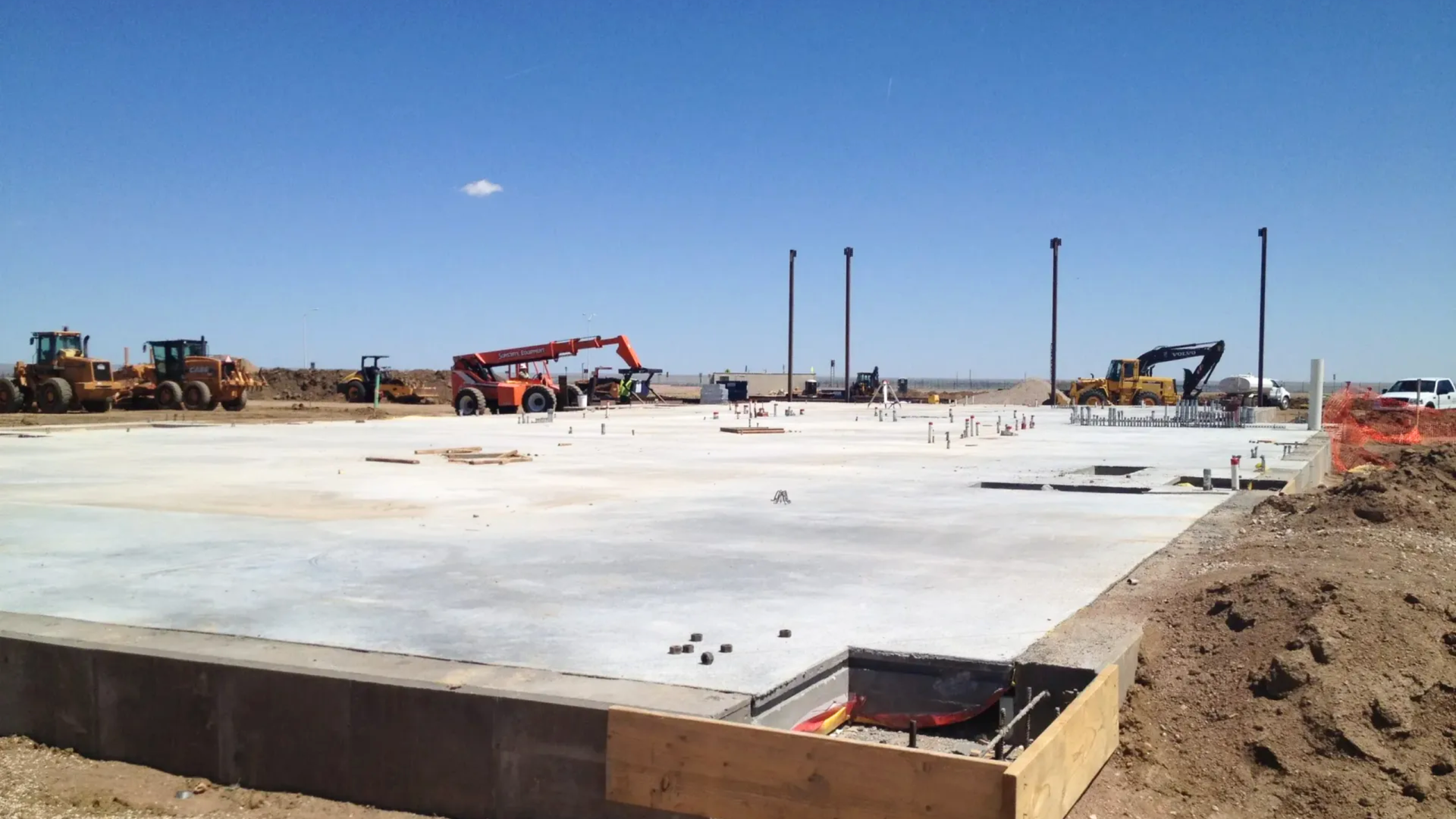
A commercial concrete slab is a poured concrete surface designed to support heavier use than standard residential concrete. Depending on the project, it may serve as a floor, work surface, equipment pad, building slab, walkway area, or exterior flatwork surface.
Commercial slabs are commonly used for:
- Warehouses
- Retail buildings
- Office properties
- Storage facilities
- Industrial buildings
- Utility areas
- Loading zones
- Exterior workspaces
- Commercial sidewalks and access areas
The final design depends on how the slab will be used. A light-use sidewalk slab does not need the same thickness or reinforcement as a warehouse floor or heavy equipment pad.
Interior Concrete Slabs vs Exterior Concrete Slabs
Commercial slabs generally fall into two main categories: interior slabs and exterior slabs. Both require proper preparation, but they perform under different conditions.
Interior Concrete Slabs
Interior slabs are used inside commercial buildings. They may support foot traffic, shelving, forklifts, equipment, or finished flooring systems.
Common interior applications include:
- Warehouse floors
- Retail floors
- Office building slabs
- Storage building slabs
- Mechanical room floors
- Industrial work areas
Interior slabs must be level, durable, and finished according to the use of the space. Some projects require a smooth trowel finish, while others need a harder surface for heavy traffic.
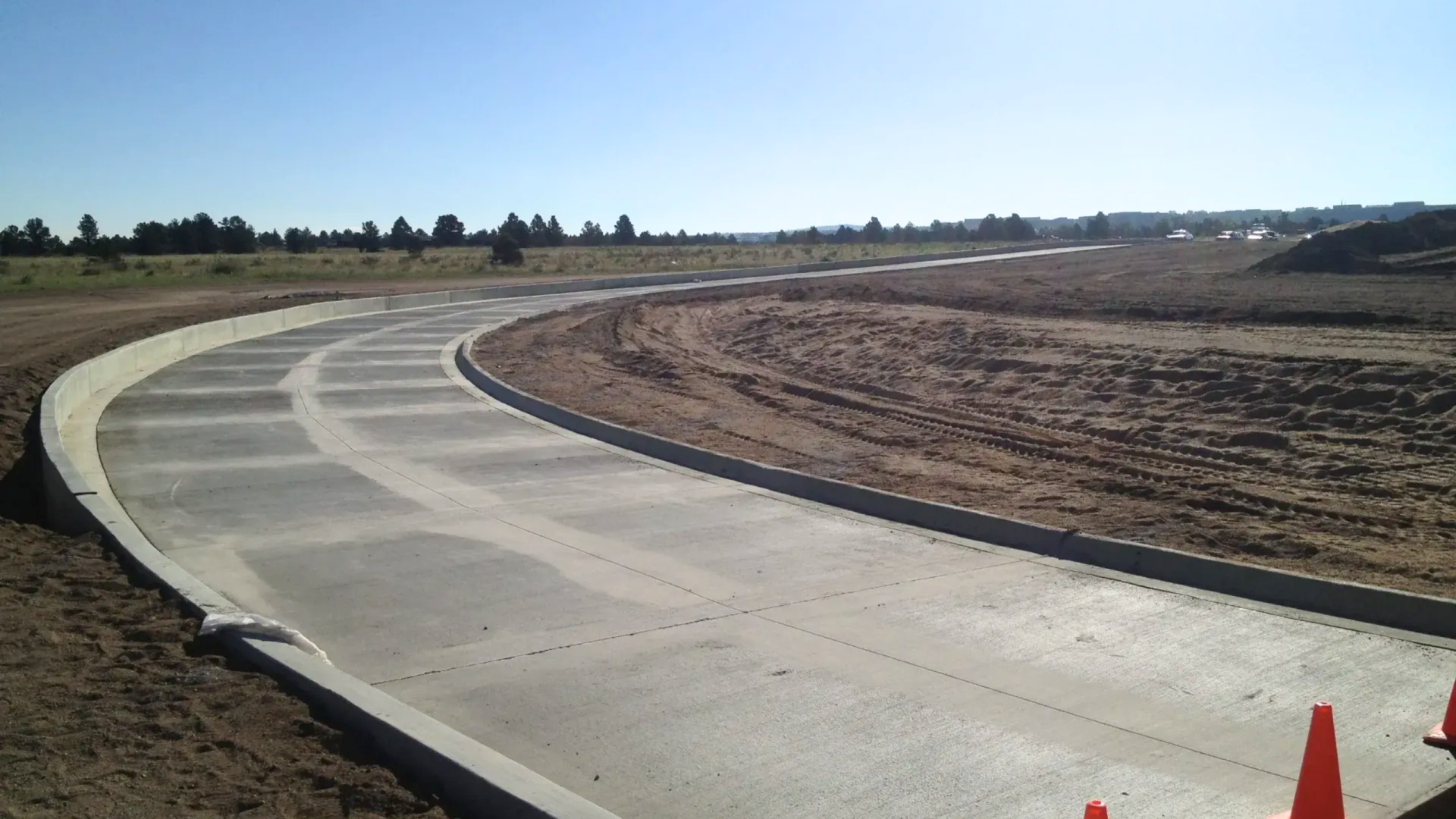
Exterior Concrete Slabs
Exterior slabs are exposed to weather, drainage, temperature changes, and vehicle or foot traffic. These slabs must handle freeze-thaw cycles, moisture, and surface wear.
Common exterior applications include:
- Dumpster pads
- Loading areas
- Walkways
- Equipment pads
- Outdoor work areas
- Access slabs
- Utility pads
Exterior slabs often require a textured finish for traction. They also need proper slope to move water away from buildings and high-use areas.
Commercial Concrete Slab Cost in Colorado Springs
Commercial concrete slab costs vary based on project size, thickness, reinforcement, site preparation, access, and finish requirements. Larger projects may have a lower cost per square foot, but total project cost increases with scope.
Below are realistic cost ranges for professionally installed commercial concrete slabs in Colorado Springs.
| Commercial Slab Type | Typical Installed Cost |
|---|---|
| Standard commercial slab | $12 – $20 per sq ft |
| Reinforced commercial slab | $16 – $28 per sq ft |
| Heavy-duty industrial slab | $22 – $40+ per sq ft |
| Exterior equipment or dumpster pad | $18 – $35 per sq ft |
| Large commercial slab project | $75,000 – $300,000+ total project |
These ranges typically include site preparation, base work, reinforcement, concrete placement, finishing, and curing. Costs may increase if demolition, drainage correction, complex access, or engineered requirements are involved.
What Affects Commercial Slab Pricing?
Several factors affect the final cost of a commercial concrete slab.
Slab Thickness
Thicker slabs require more concrete, more labor, and often more reinforcement. Heavy-use areas usually need a thicker slab than basic pedestrian areas.
Reinforcement
Rebar, wire mesh, or fiber reinforcement may be used depending on the load requirements. Reinforcement adds cost but improves long-term performance.
Site Preparation
Poor soil, uneven grades, old concrete removal, or drainage issues can increase preparation costs.
Concrete Mix Requirements
Some slabs need higher-strength concrete mixes, especially when supporting equipment, vehicles, or industrial use.
Finish Type
A broom finish, steel trowel finish, or specialized surface treatment can affect labor time and price.
Access
Tight site access can slow down equipment movement, concrete placement, and finishing.
Commercial Concrete Slab Thickness Guidelines
Thickness should match how the slab will be used. A slab that is too thin may crack or fail under repeated loads. A slab that is properly designed will better handle long-term use.
| Slab Application | Common Thickness Range |
|---|---|
| Light commercial walkway | 4 – 5 inches |
| Standard commercial floor slab | 5 – 6 inches |
| Warehouse or storage slab | 6 – 8 inches |
| Loading area or truck access slab | 7 – 10 inches |
| Heavy equipment slab | 8 – 12+ inches |
These are general ranges. Final thickness should be based on soil conditions, expected load, engineering requirements, and project use.
Why Base Preparation Matters
A concrete slab is only as reliable as the base beneath it. Poor base preparation is one of the most common reasons slabs crack, settle, or shift.
Proper base preparation usually includes:
- Removing unsuitable soil or debris
- Grading the area correctly
- Installing compacted base material
- Managing drainage
- Preparing the surface for reinforcement and forms
If the base moves, the slab above it can move too. This is why site preparation should never be rushed.
For larger commercial projects, slab preparation often connects with Commercial Concrete Foundations in Colorado Springs when the slab supports a building or structural system.
Reinforcement Options for Commercial Slabs
Reinforcement helps control cracking and improves slab strength. The right option depends on the slab use, load requirements, and engineering specifications.
Rebar Reinforcement
Rebar provides strong support for heavier loads. It is commonly used in structural slabs, loading zones, and heavy-use areas.
Wire Mesh
Wire mesh can help control cracking in lighter commercial slabs. It is often used for general flatwork and pedestrian areas.
Fiber Reinforcement
Fiber reinforcement is mixed into the concrete to help reduce shrinkage cracking. It may be used with or without traditional reinforcement, depending on the project.
Combined Reinforcement
Some commercial slabs use both rebar and fiber reinforcement for added performance.
The goal is not to prevent all cracking. Concrete naturally expands, contracts, and cures over time. Reinforcement helps manage cracking and improve slab performance.
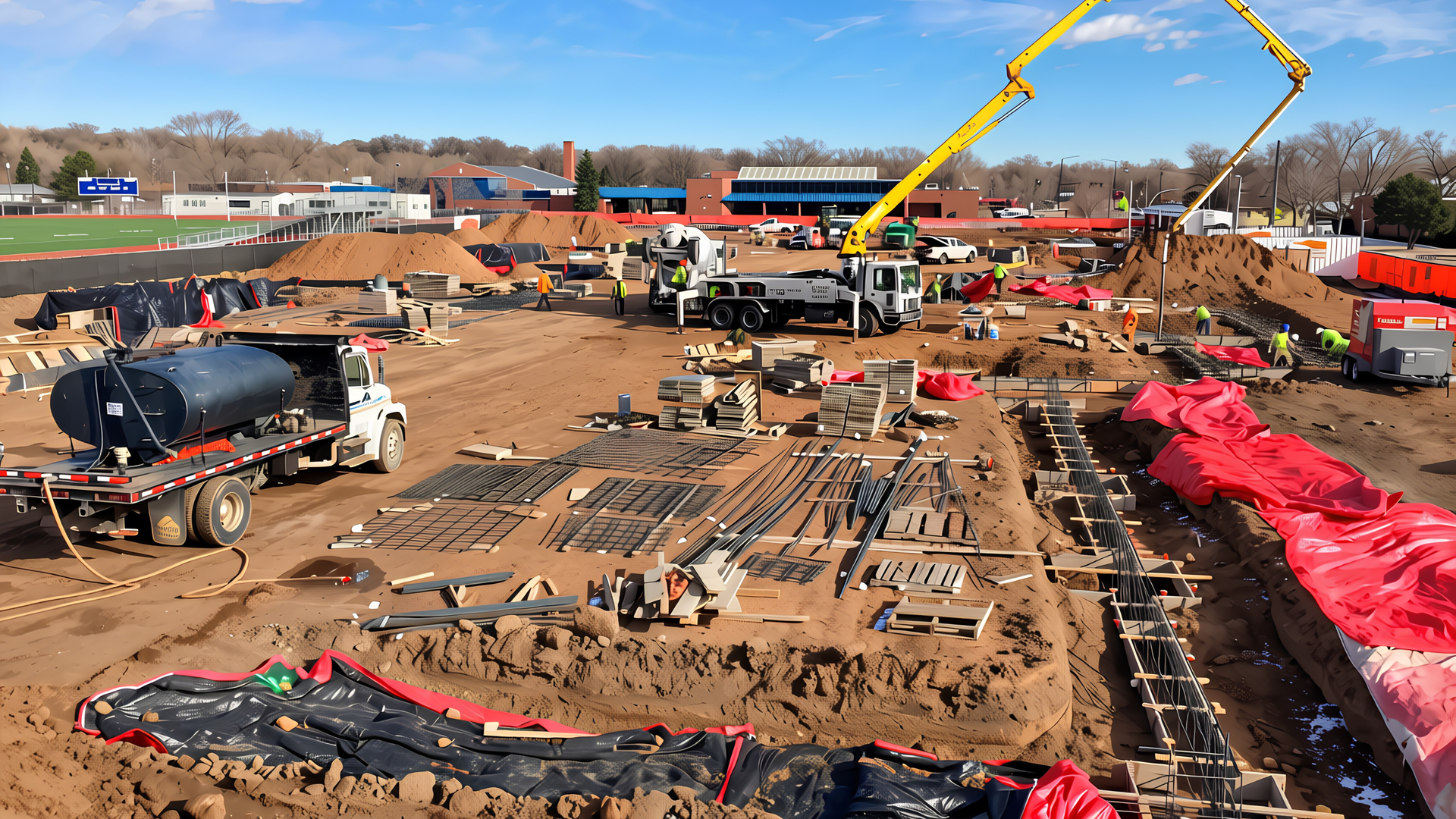
How Commercial Concrete Slabs Are Installed
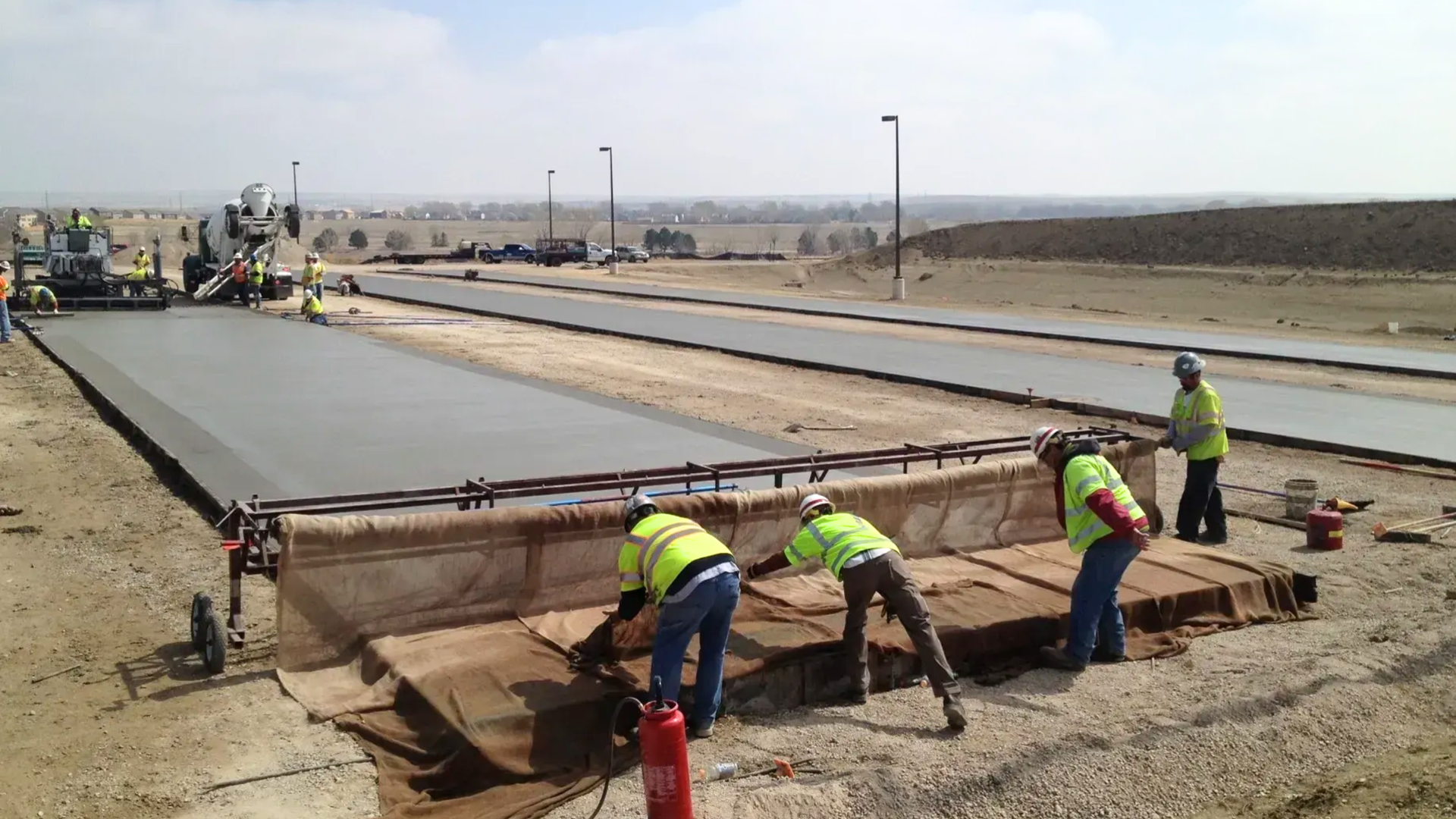
A professional commercial slab installation follows a structured process. Each step affects durability and long-term results.
Site Evaluation
The contractor reviews the project area, expected use, drainage, access, and existing site conditions.
Excavation and Grading
The area is excavated to the correct depth and graded to match the project plan.
Base Installation
A compacted base is installed to support the slab and reduce movement.
Forming
Forms define the edges, elevation, and shape of the slab.
Reinforcement Placement
Rebar, wire mesh, or other reinforcement is placed according to project requirements.
Concrete Placement
Concrete is poured, leveled, and consolidated to reduce voids.
Finishing
The surface is finished based on how the slab will be used. Interior slabs may need a smoother finish, while exterior slabs often need more texture.
Joint Cutting
Control joints are placed to help manage cracking.
Curing
Concrete needs proper curing time before it can support regular use. Heavy traffic should not be introduced too early.
Control Joints and Crack Management
All concrete has the potential to crack. Control joints help guide cracking in a planned way rather than allowing random cracks across the slab.
Joint spacing depends on slab thickness, layout, and project requirements. Poor joint placement can lead to uneven cracking and future maintenance issues.
For commercial slabs, joint layout should be planned before concrete placement begins. This is especially important for large floor areas, exterior slabs, and spaces that support equipment or vehicle traffic.
Drainage Considerations for Exterior Slabs
Exterior slabs must be designed to move water away from buildings and active use areas. Poor drainage can cause standing water, freeze-thaw damage, surface wear, and base movement.
Good drainage planning may include:
- Proper slab slope
- Drainage channels
- Nearby catch basins
- Grading around the slab
- Coordinated site drainage
If the slab is part of a larger paved area, drainage should be reviewed with Commercial Concrete Paving in Colorado Springs so the site works as one complete system.
Finish Options for Commercial Concrete Slabs
The finish should match how the slab will be used.
Broom Finish
A broom finish adds texture and traction. It is commonly used for exterior slabs, walkways, access areas, and pads exposed to weather.
Trowel Finish
A trowel finish creates a smoother surface. It is often used for interior slabs, warehouses, and commercial floors.
Hard-Trowel Finish
A hard-trowel finish provides a denser surface for certain interior applications. It can be useful in commercial spaces with equipment or frequent traffic.
Decorative or Specialty Finish
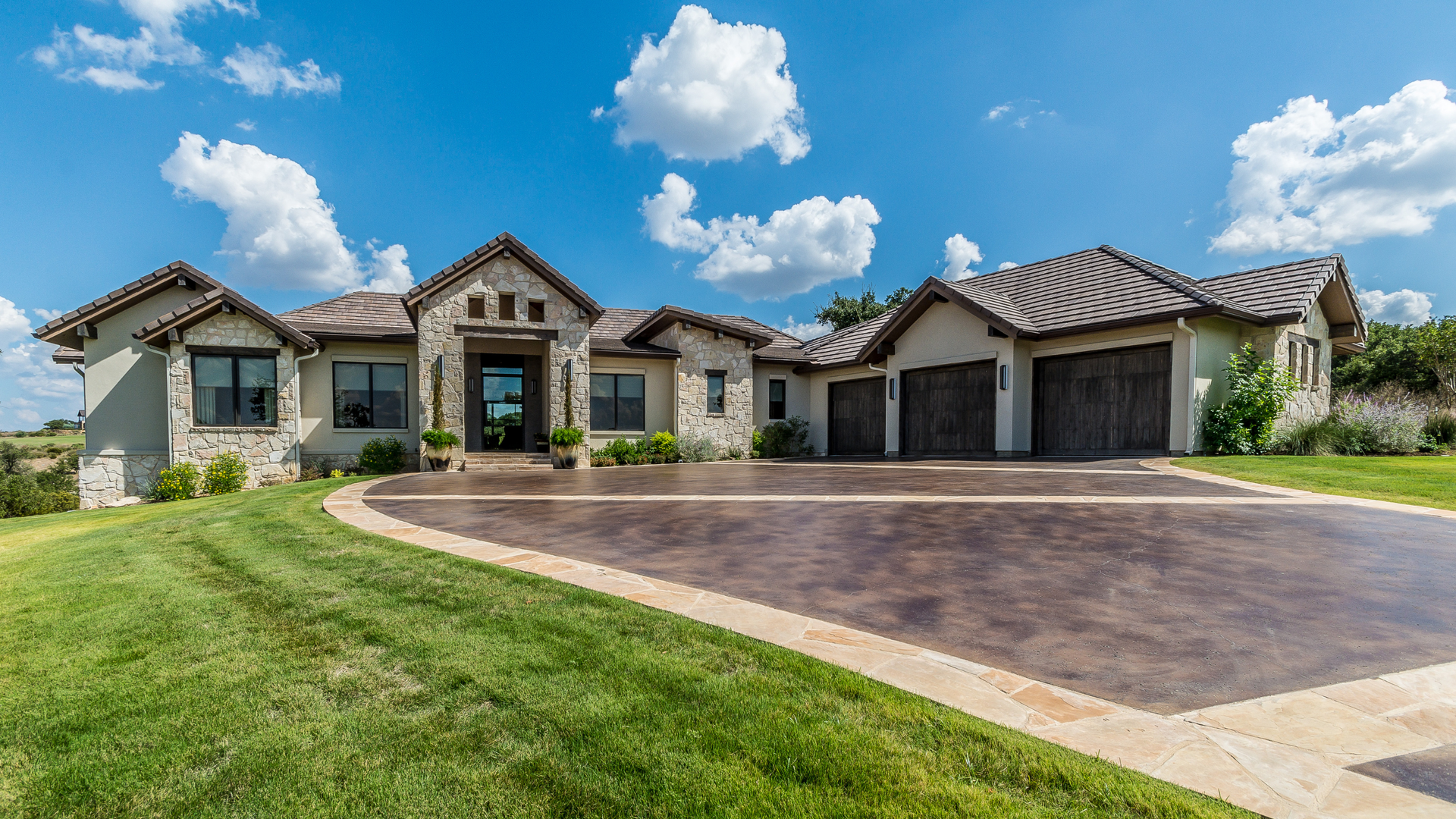
Some commercial properties may choose decorative concrete for visible customer-facing spaces. These finishes should be selected based on appearance, slip resistance, and maintenance expectations.
Commercial Slabs and Load Requirements
Not every slab carries the same type of load. A property owner should consider what will happen on the slab every day.
Important load questions include:
- Will vehicles use the slab?
- Will forklifts operate on it?
- Will equipment sit on the slab?
- Will the slab support storage racks?
- Will trucks load or unload nearby?
- Will the slab be exposed to freeze-thaw cycles?
These questions help determine thickness, reinforcement, concrete mix, and finish.
For heavier load areas, the slab may need to coordinate with
Structural Concrete Services in Colorado Springs to meet engineered requirements.
Common Commercial Slab Problems
Most slab problems come from poor planning, weak preparation, or improper installation.
Common issues include:
- Random cracking
- Uneven settlement
- Surface scaling
- Low spots that collect water
- Joint failure
- Premature wear
- Slab edges breaking down
Many of these problems can be reduced with proper base preparation, correct thickness, reinforcement, drainage, and curing.
Maintenance for Commercial Concrete Slabs
Commercial slabs require less maintenance when installed correctly, but they still need regular attention.
Recommended maintenance includes:
- Keeping the surface clean
- Removing debris from joints
- Checking for early cracks
- Repairing small issues before they expand
- Avoiding harsh chemicals when possible
- Keeping drainage areas clear
Interior slabs may need different care than exterior slabs. For example, warehouse floors may need cleaning routines based on equipment use, while exterior pads may need seasonal inspection after winter.
When Should a Commercial Slab Be Replaced?
Not every damaged slab needs replacement. Some surface issues can be repaired. Replacement may be the better option when the slab has widespread cracking, settlement, drainage failure, or structural concerns.
Signs replacement may be needed include:
- Large uneven sections
- Deep cracks across the slab
- Repeated water pooling
- Broken slab edges
- Settlement near buildings or loading areas
- Surface failure across a large area
A professional evaluation can determine whether repair or replacement makes more sense.
Choosing the Right Commercial Slab Contractor
Commercial slabs require more planning than basic concrete flatwork. Property owners should choose a contractor with experience in commercial work, site preparation, reinforcement, drainage, and scheduling.
A qualified contractor should be able to explain:
- Recommended slab thickness
- Reinforcement options
- Site preparation needs
- Expected timeline
- Curing requirements
- Long-term maintenance considerations
The right contractor should also communicate clearly, keep the site organized, and understand how the slab connects with the rest of the property.
Frequently Asked Questions
How thick should a commercial concrete slab be?
- Most commercial slabs range from 5 to 8 inches thick, but heavy-use areas may require 8 to 12 inches or more. Final thickness depends on traffic, equipment, soil conditions, and engineering requirements.
How long does a commercial concrete slab last?
- A properly installed commercial slab can last several decades. Lifespan depends on base preparation, reinforcement, traffic load, drainage, and maintenance.
Do commercial concrete slabs need reinforcement?
- Most commercial slabs benefit from reinforcement. Rebar, wire mesh, fiber reinforcement, or a combination may be used depending on the project.
How soon can a commercial slab be used?
- Light use may be allowed within a few days, but heavy traffic should wait until the concrete has gained enough strength. The timeline depends on mix design, weather, and project requirements.
What causes commercial slabs to crack?
- Common causes include poor base preparation, shrinkage, missing control joints, heavy loads, drainage problems, and soil movement.
Can an old commercial slab be replaced?
- Yes. Damaged or outdated slabs can be removed and replaced with a new slab designed for the current use of the property.
Your Next Step
Commercial concrete slabs support daily operations, traffic, storage, equipment, and long-term property use. The right slab design depends on thickness, reinforcement, base preparation, drainage, and expected load.
Peak Concrete Enterprises installs
commercial slabs in Colorado Springs. If you are planning a new commercial slab, replacing an existing slab, or preparing a larger site improvement project, contact Peak Concrete Enterprises to request a detailed estimate and discuss your project.